
Export Shipping & Logistics Mode Comparison
Compare weight limits, order volumes, and securing methods across different transport modes for steel coils and sheets from PPGI.LTD.
| Transport Mode | Weight & Volume Limit | Core Packaging & Securing |
|---|---|---|
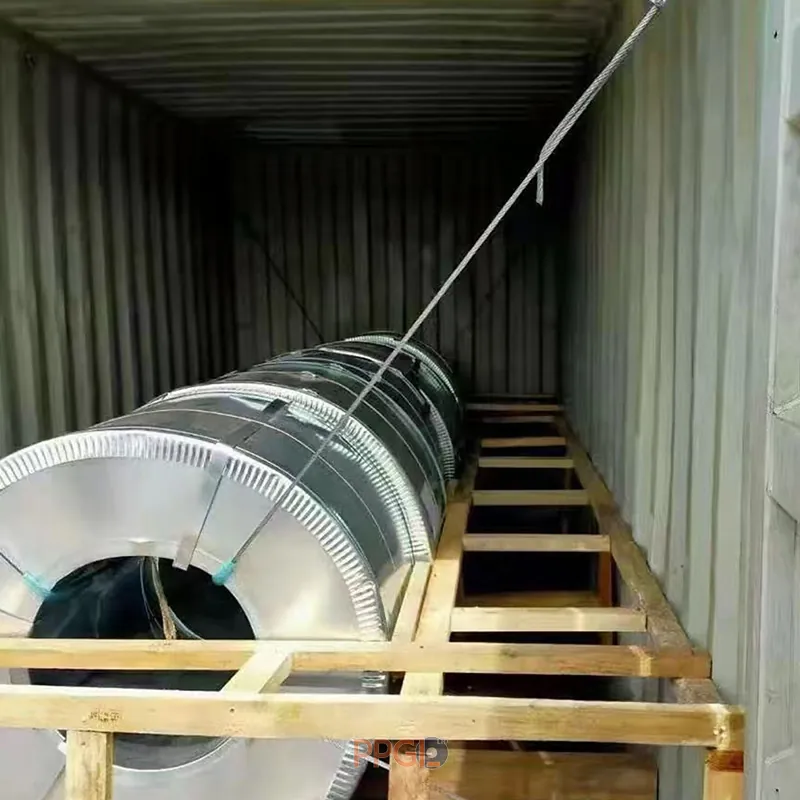
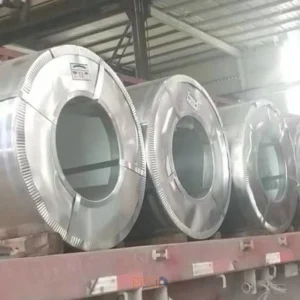
STANDARD CONTAINER 20ft Container | Up to 27.5 MT per container (ISO Container Standard) | VCI anti-rust paper, outer steel covers, steel strapping, and IPPC wooden chocks. |
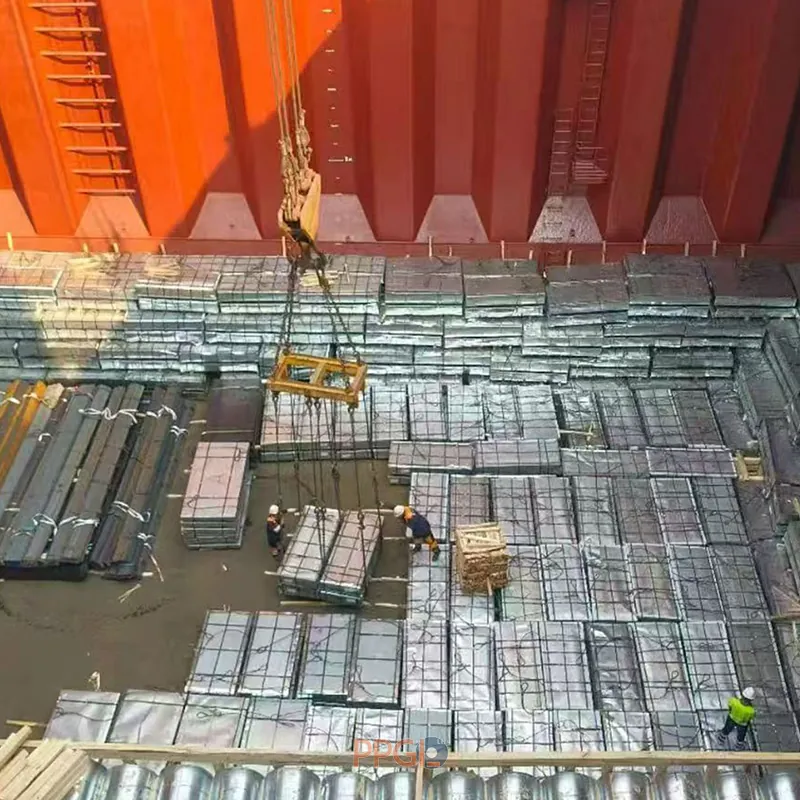
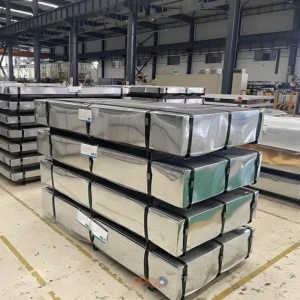
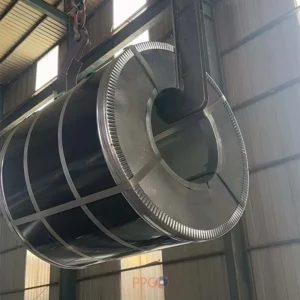
LARGE TONNAGE Bulk Cargo | Minimum 300 MT per order | Bottom dunnage, waterproof tarpaulins, and certified lifting slings per IMO stowage rules. |
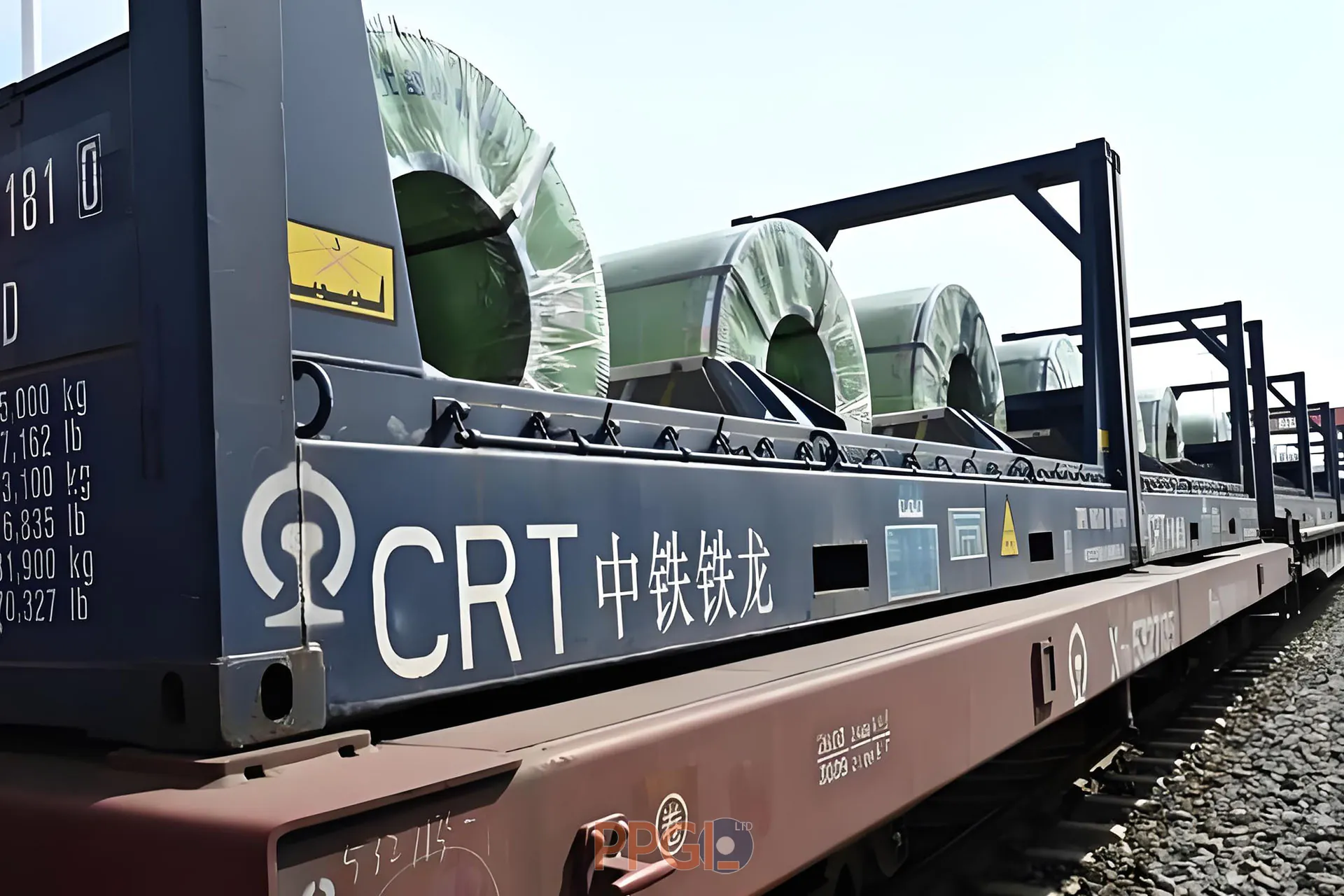
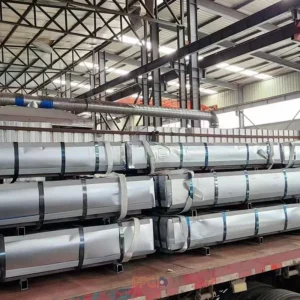
CROSS-BORDER RAIL Railway Freight | 60 MT per wagon (must be multiples of 60 MT) | Anti-vibration steel strapping, reinforced side blocking, and moisture barriers via CIM/SMGS rail freight transit. |

STANDARD CONTAINER
20ft Container
Weight & Volume Limit
Up to 27.5 MT per container (ISO Container Standard)
Core Packaging & Securing
VCI anti-rust paper, outer steel covers, steel strapping, and IPPC wooden chocks.
LARGE TONNAGE
Bulk Cargo
Weight & Volume Limit
Minimum 300 MT per order
Core Packaging & Securing
Bottom dunnage, waterproof tarpaulins, and certified lifting slings per IMO stowage rules.
CROSS-BORDER RAIL
Railway Freight
Weight & Volume Limit
60 MT per wagon (multiples of 60 MT)
Core Packaging & Securing
Anti-vibration steel strapping, reinforced side blocking, and moisture barriers via CIM/SMGS rail freight transit.