Steel Coil Weight & Freight Guide

Optimal Coil Weight
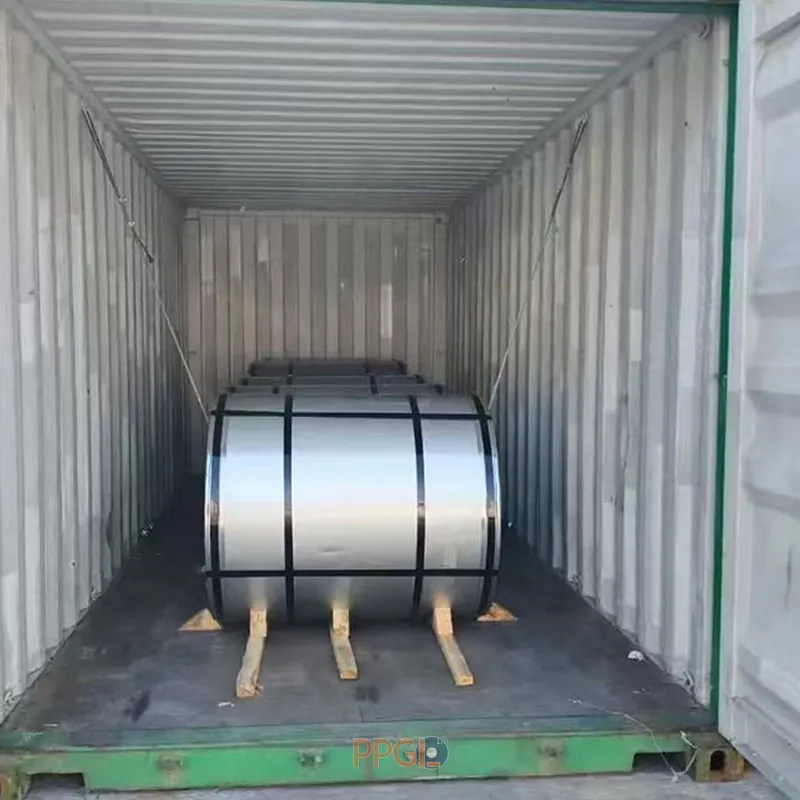
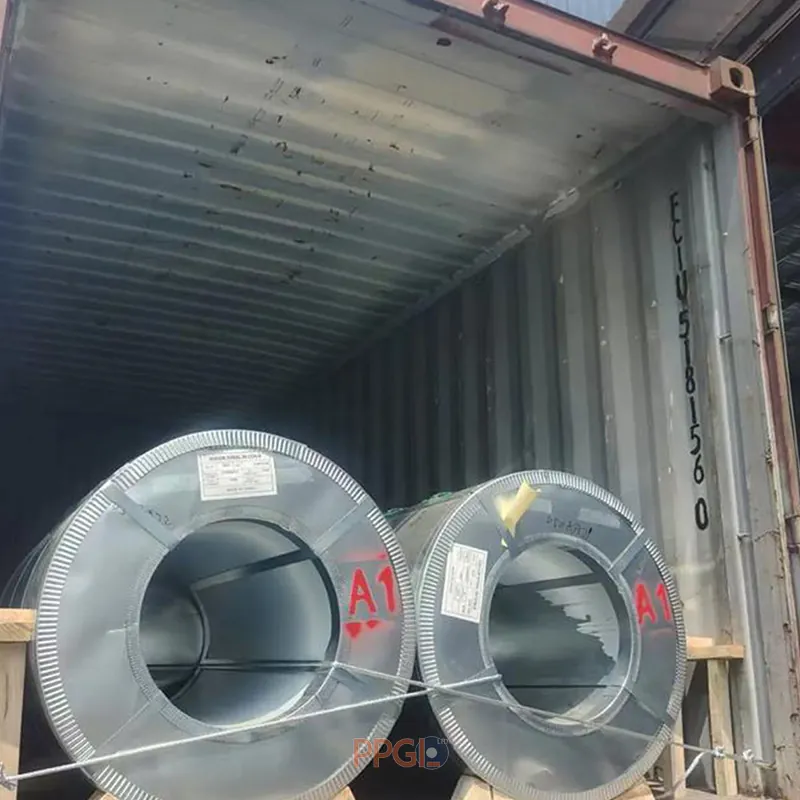
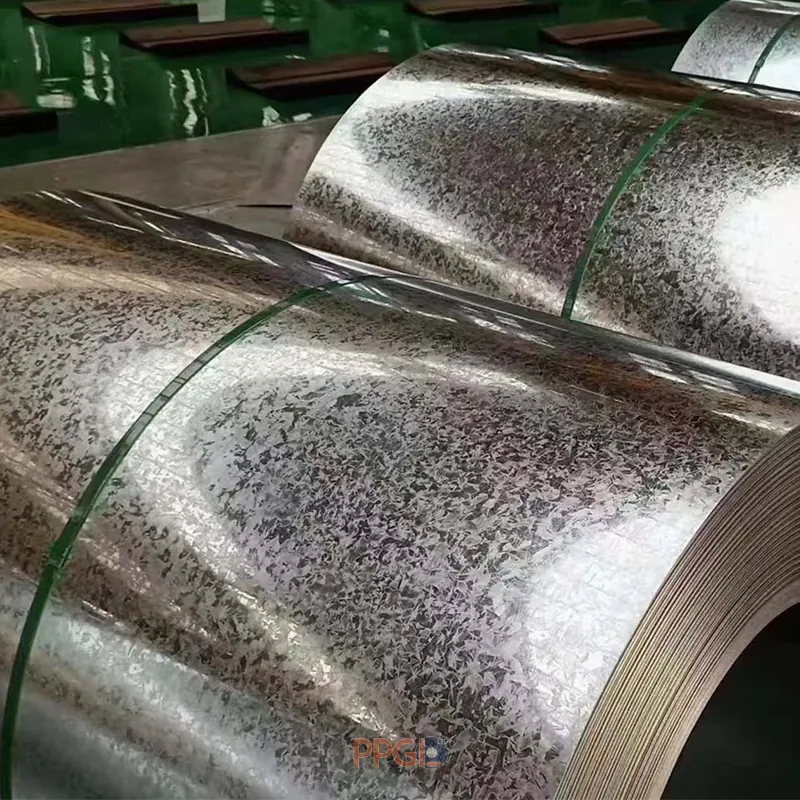
Standard export weight is managed at 3–8 metric tons per coil. Fits destination port crane limits and easy handling.

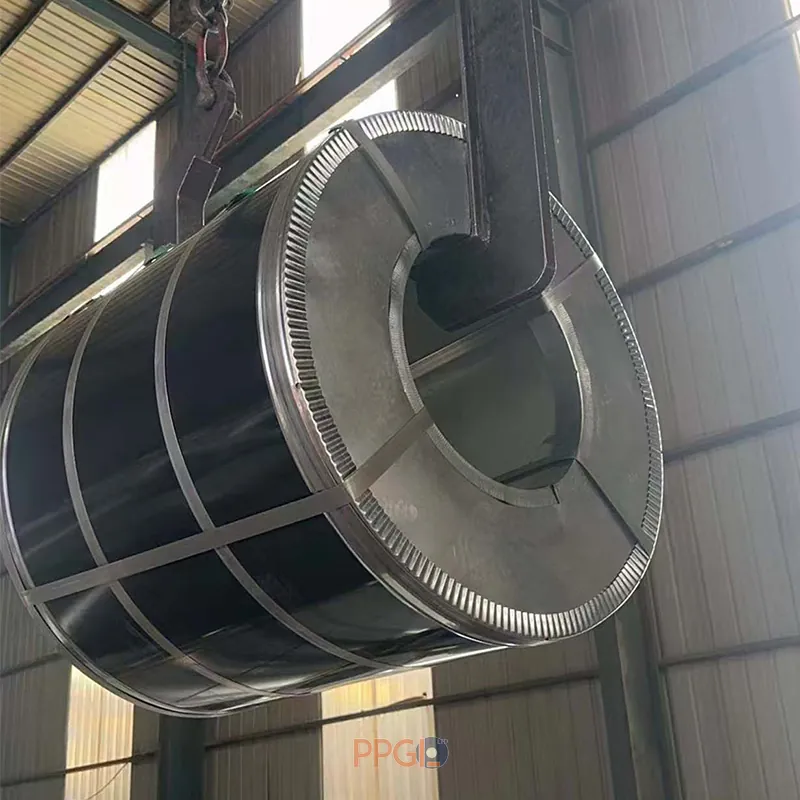
Safe Crane Hoisting
Lifted with padded nylon slings or C-hooks. Protects the coil inner bore and ensures safe loading.

Weight Distribution Base
Placed on IPPC wooden saddles. Spreads heavy coil weight evenly to prevent floor structure damage.

Individual Slot Locking
Every coil is fixed in an individual position slot. Prevents sliding and eliminates collision between coils.
Steel Coil Weight & Freight Guide by Transit Mode
20ft Container Freight
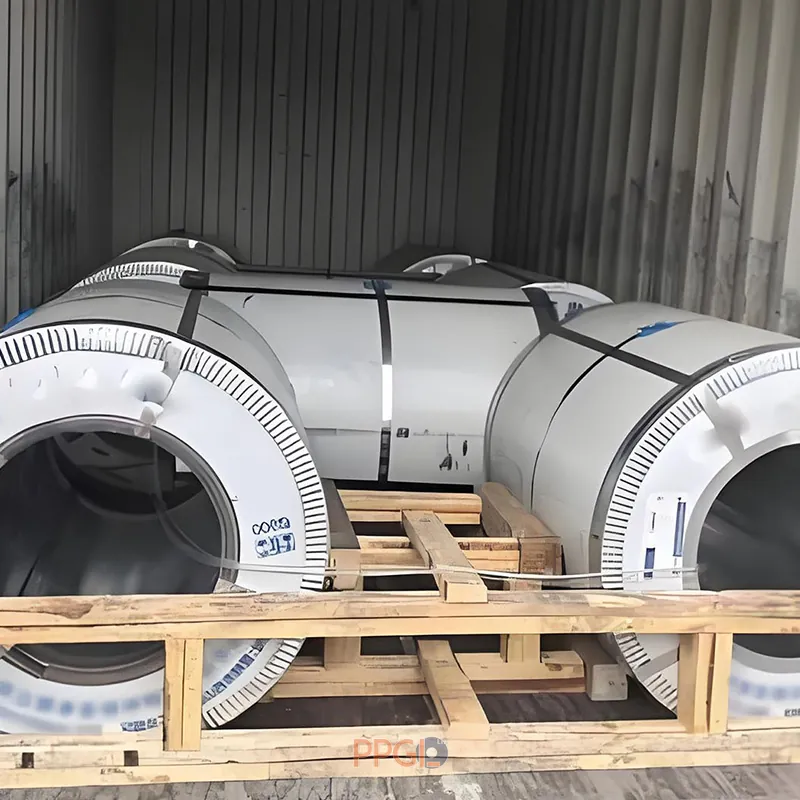
Max payload is 26–28 metric tons per 20ft container. Usually loaded with 3–5 coils balanced over main floor beams and locked with steel cables.
Bulk Vessel (Breakbulk)

Ideal for large orders over 300 tons. Coils are stowed in vessel holds and bound with heavy locking chains to resist ocean waves.
Railway Flatbed Freight
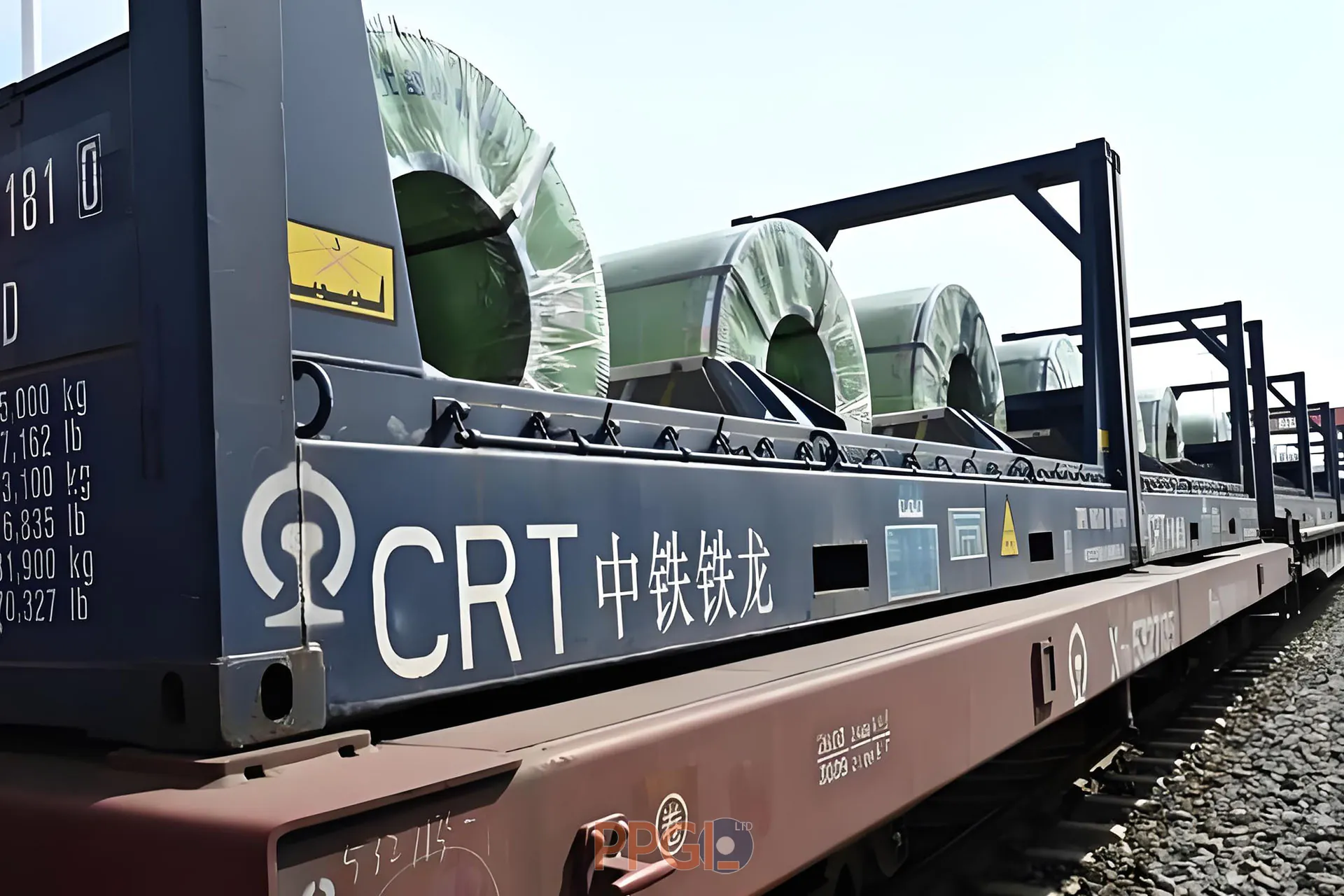
Ideal order size is in multiples of 60 metric tons (standard wagon capacity). Coils are locked on railway flatbeds with V-cradles with rubber pads to absorb braking impact.
Buyer Concern & FAQ
Q1: What is the maximum weight limit and coil loading standard for a 20ft container?
A standard 20ft heavy-duty container accepts a maximum payload of 26 to 28 metric tons. PPGI.LTD typically loads 5 to 7 steel coils per container (3–5 tons per coil) positioned over main floor beams on IPPC wooden saddles with heavy steel wire lashing for balanced weight distribution.
Q2: When should I choose Bulk Vessel shipment over 20ft Container freight?
Bulk Vessel (Breakbulk) shipment is recommended for large volume orders exceeding 300 metric tons. It offers lower sea freight costs per ton and eliminates container demurrage fees at the destination port.
Q3: What is the cost-effective order quantity for railway freight, and how is cargo secured?
Railway wagons feature a standard 60 metric ton payload limit. We advise placing orders in multiples of 60 tons (e.g., 60t, 120t, 180t) to achieve maximum wagon load efficiency. Coils are anchored on V-shaped steel cradles with anti-slip rubber chocks to absorb rail braking impact.