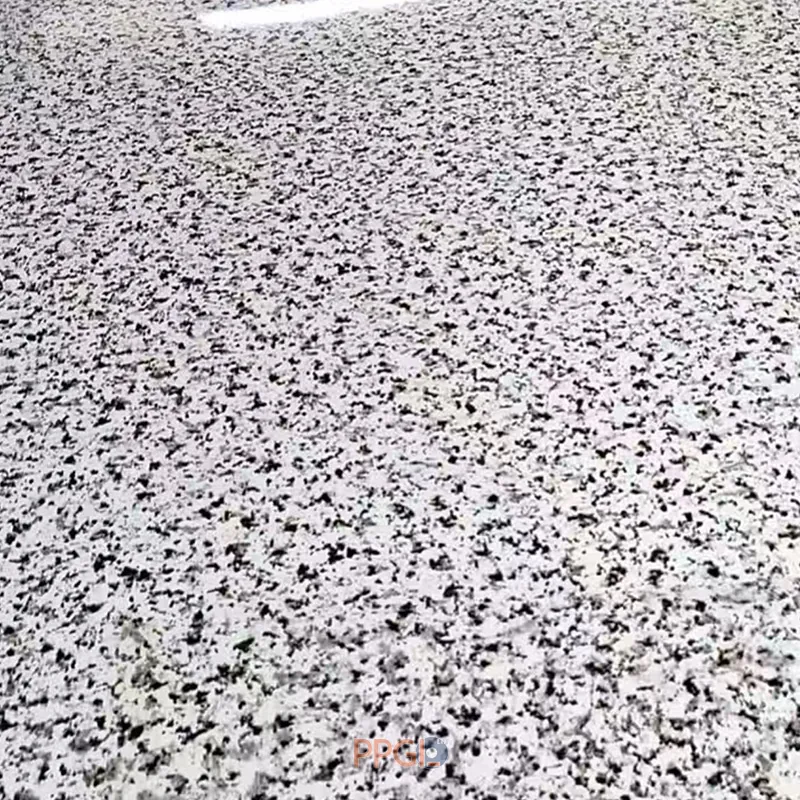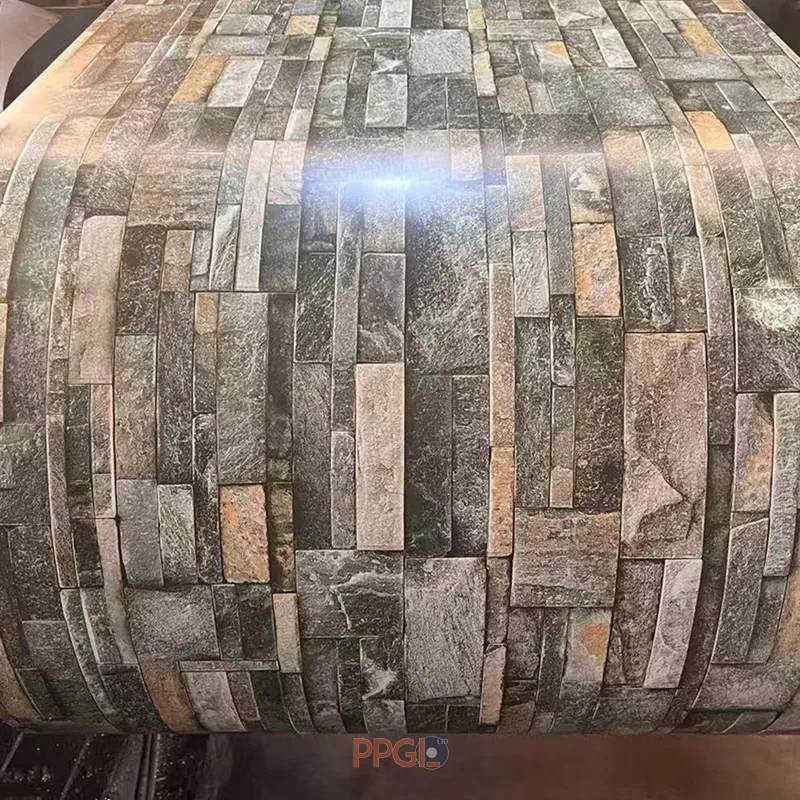
Weathered brick look PPGL sheet retro style
PPGI.LTD supplies weathered brick-look PPGL sheet for retro-style storefronts. We can match the brick colors, worn effect, pattern size, and matt finish to an approved sample.

Which Brick Style Fits Your Storefront?
A retro wall needs controlled color changes. Random dark marks alone do not make a useful repeat.
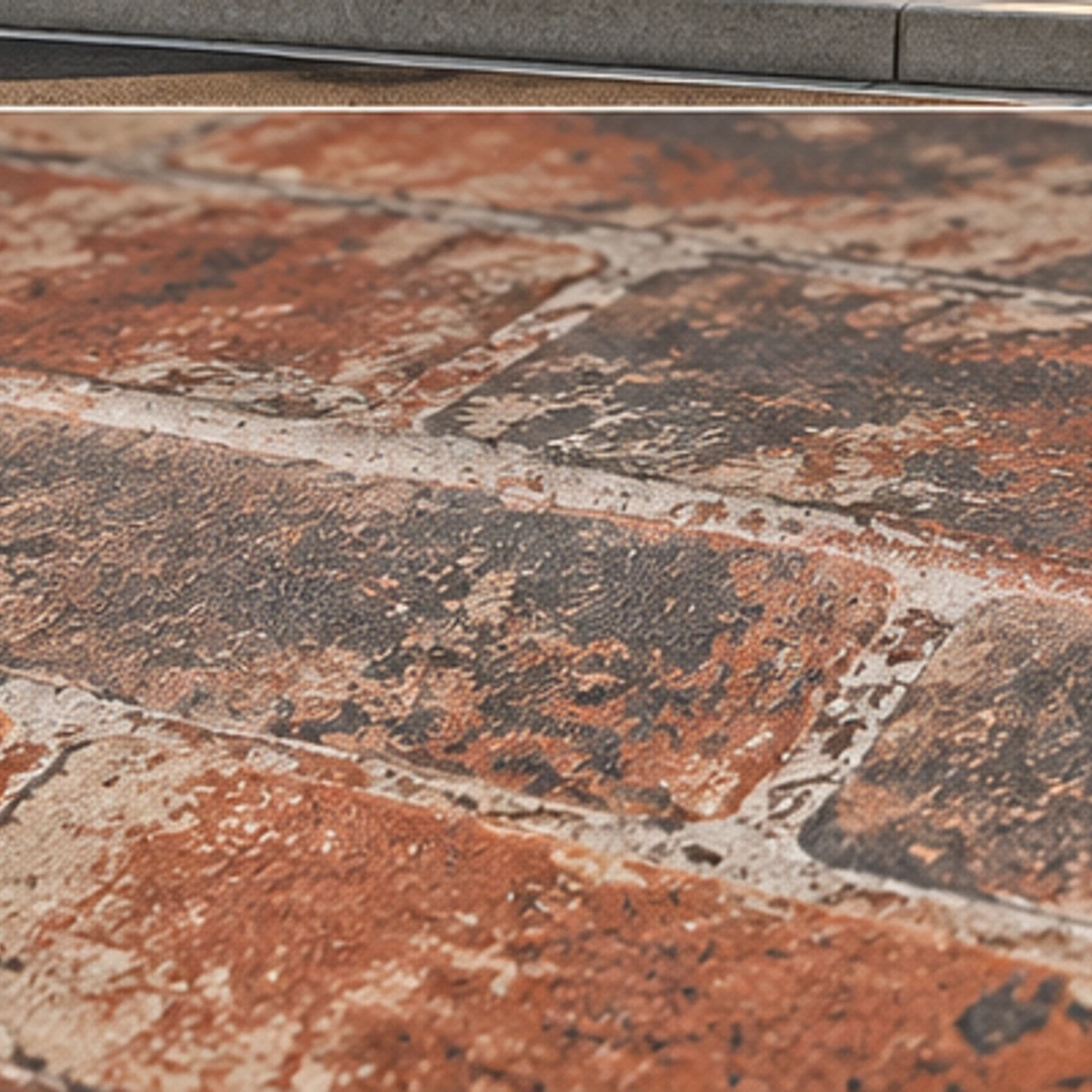
We can develop the brick colors, faded layers, mortar, and scale from one approved sample. Share the storefront elevation when possible.
How Do You Match the Matt Finish?
Low gloss is part of the color result. Check it with the same light and viewing angle used for approval.
| Sample item | What to control | How to approve |
|---|---|---|
| Base color | Main brick tone | Master sample |
| Faded layers | Aged visual effect | Large sample |
| Mortar color | Pattern contrast | Elevation review |
| Gloss | Reflection level | Same light and angle |
| Batch plan | Adjoining panels | Panel grouping |
PPGI.LTD records the approved pattern and surface as the production target. Panels used side by side should follow the same batch and layout plan.
How Do You Keep the Pattern in Line?
Mark the pattern direction before cutting the coil. Keep the same mark when the panels are installed.
Online color checks compare a running coil with an agreed standard, as this coil-color control article explains. We use one approved sample to control the brick colors and matt finish.
Buyer Concern & FAQ
Can I create a weathered brick pattern from my sample?
Yes. Send the sample, brick size, mortar, color layers, and gloss. We will review the print repeat and roller needs.
How is low gloss matched between batches?
One approved sample, the same viewing method, and recorded production targets guide the batch. Adjoining panels should be planned together.
Can the sheet be roll formed for storefront panels?
Yes, when the thickness, hardness, paint, profile, and rollers work together. Send the profile drawing and test the first panel.
How is the surface protected during delivery?
Use suitable film or separators, edge protection, stable stacking, and dry packing. Our packaging guide explains the general options.