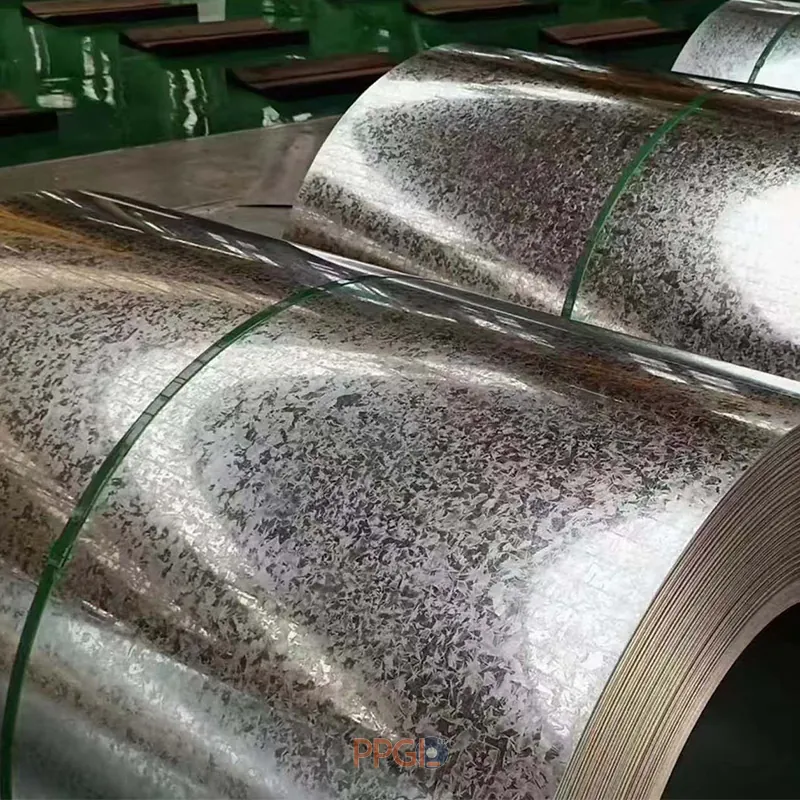
Appliance vs Construction Prepainted Steel: What Is Different?
PPGI.LTD checks appliance vs construction prepainted steel differently because appliance parts need a cleaner surface and construction panels face outdoor weather. Tell us what you will make, and we will match the coil to it.

Main Differences in Appliance vs Construction Prepainted Steel
An appliance panel is seen close up. A roof or wall panel is usually seen from farther away.
| What matters | Appliance panel | Roof or wall panel |
|---|---|---|
| How people see it | Close up | Usually from farther away |
| Surface | Should look smooth and clean | Must follow the project needs |
| Shape | Must work for bends or pressed parts | Must work for the panel shape |
| Main use | Usually indoors | Often outdoors |
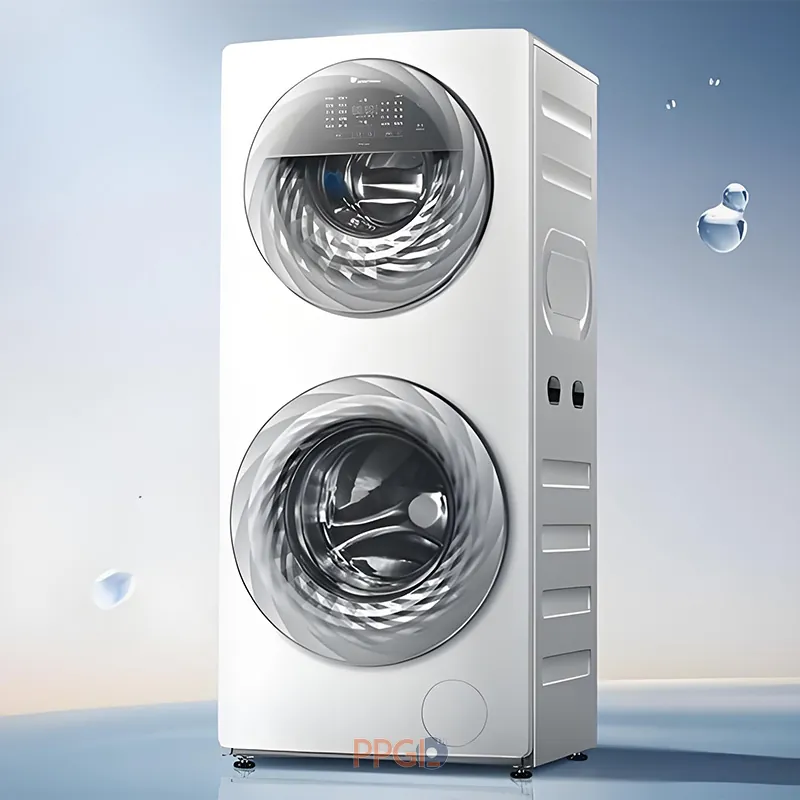 Steel for Appliance Panels
Tell Us How You Will Make the Part
Send the part size
Give us the width, thickness, and drawing.
Explain the work
Tell us if you will cut, bend, press, or roll the steel.
Show what you accept
Tell us which marks, cracks, or edge problems are not allowed.
We use this information to choose a suitable steel type, coil size, and surface.
Check the Surface Before Full Production
Check the color
Compare a trial part with the approved color.
Make the part
Use the same steps planned for full production.
Check it again
Remove the film, if used, and look for marks.
We can add protective film to suitable appliance steel. Tell us when you will remove it, so we can check if it fits your work.
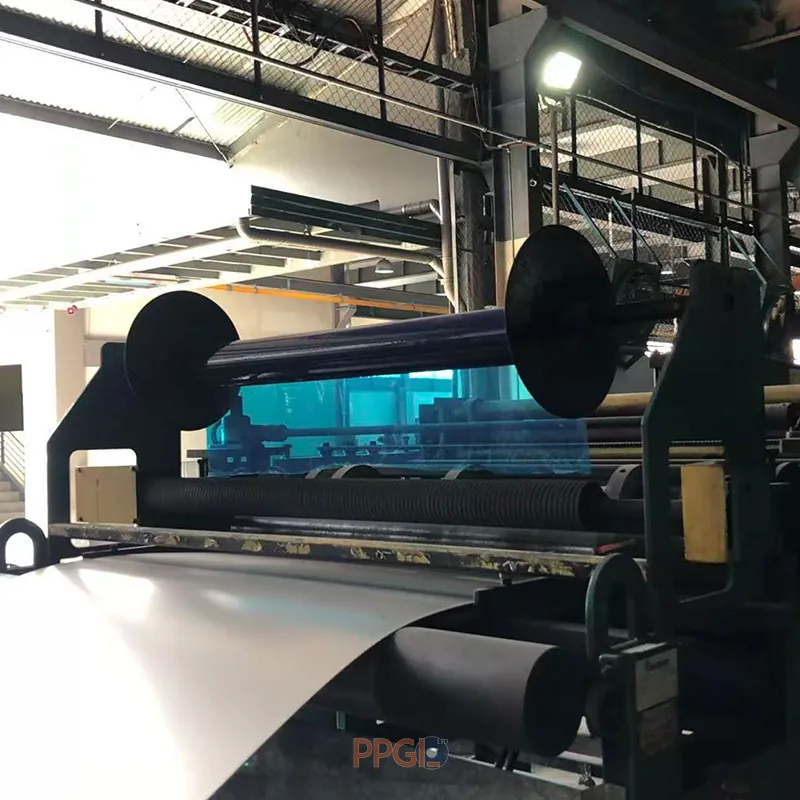 Protective Film on Steel
Buyer Concern & FAQ
Can construction PPGI be used for an appliance?
Sometimes. The steel must have the right surface, shape, size, and edges for the appliance part.
Can appliance steel be used outdoors?
Only when the coating, paint, and project rules allow outdoor use. A good-looking surface is not enough.
Does every appliance panel need protective film?
No. The film must fit the paint, forming work, storage, and removal time.
Can the same steel grade be used for both products?
Not always. The steel must work for the way the final part is bent, pressed, or formed.
What should buyers check before full production?
Check the color, surface, shape, edges, and any protective film on a trial part.