Bulk Vessel vs Container Steel Coil Shipping: Which Is Better for 500+ MT Procurement?

Core Fact: When evaluating bulk vessel vs container steel coil shipping for orders exceeding 500 MT, direct factory logistics show distinct advantages for each method. Breakbulk shipping (Bulk Ship) offers lower ocean freight per ton for large-volume port-to-port orders, provided destination ports have adequate heavy crane infrastructure. Conversely, 20ft Container (FCL) shipping delivers high arrival integrity, complete moisture protection, and flexible inland delivery without requiring specialized heavy-lift port facilities.

Bulk vessel vs container steel coil shipping - breakbulk ship hold stowage
Bulk Ship (Breakbulk): Economical ocean freight for 500+ MT port-to-port shipments.
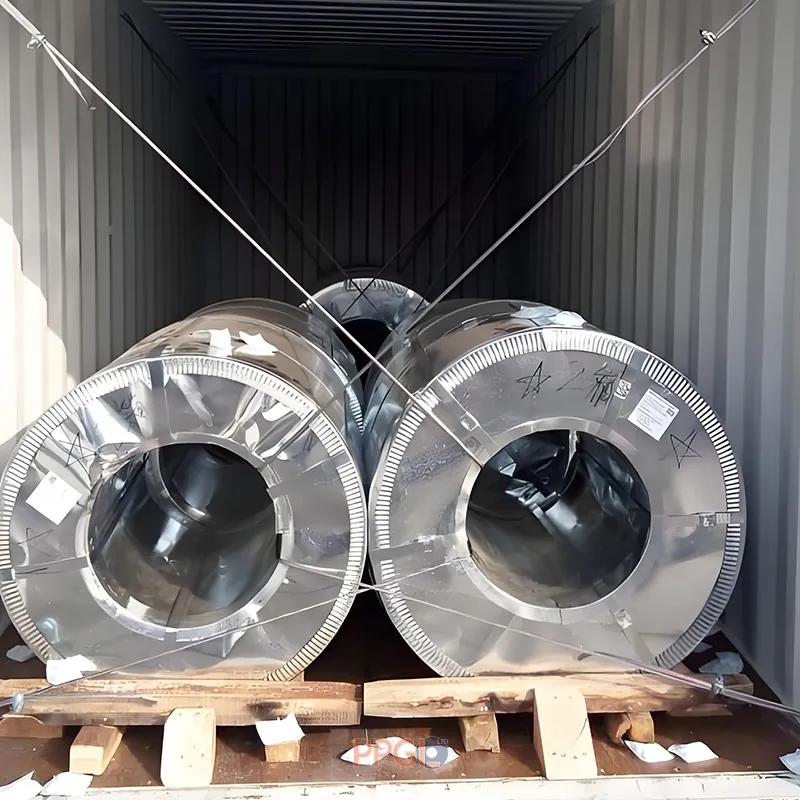
Bulk vessel vs container steel coil shipping - 20ft container FCL double row stowage
20ft Container (FCL): Moisture-sealed protection and seamless door-to-door delivery.
Evaluation Dimension BEST FOR 500+ MT ★

Breakbulk / Bulk Ship

BEST FOR 20–300 MT

20ft Container (20GP)

Strategic Impact & Tradeoff
Ocean Freight Cost Freight Rate: Lower Freight Per MT
Pricing: Per Metric Ton (MT)
Freight Rate: Standard Rate
Pricing: Per Container Box
Comparing bulk vessel vs container steel coil shipping shows clear scale savings for 500+ MT orders via breakbulk, whereas containers add fixed box costs.
Cargo Safety & Rust Damage Risk: Moderate (Crane Hoisting)
Protection: VCI Paper + Metal Shield
Damage Risk: Near-Zero (Sealed Box)
Protection: Weather-tight Seal
Bulk shipping requires heavy-duty export packaging against humid marine air. Containers offer sealed weather protection against rain and salt spray.
Hidden Port Expenses Demurrage Risk: Higher Berth Exposure
Unloading: Heavy Crane Required
Demurrage Risk: Standard Free Days
Unloading: Standard Container Terminal
Breakbulk depends on port crane and berth availability. Discharge delays can incur vessel demurrage charges.
Inland Transport Delivery: Port-to-Port Priority
Trucking: Flatbed Dispatch at Quay
Delivery: Flexible Door-to-Door
Trucking: Standard Container Chassis
Containers simplify direct warehouse delivery. Bulk cargo needs organized flatbed trucks waiting directly at the port quay during discharge.
BEST FOR 500+ MT ★

Breakbulk / Bulk Ship

Ocean Freight Cost Lower Freight Per MT | Priced Per Ton (Scale Economy)
Cargo Safety & Rust Moderate Risk | Requires VCI Paper + Full Metal Wrap
Port & Logistics Requires Heavy Port Cranes | Berth Demurrage Risk
Verdict For bulk vessel vs container steel coil shipping at 500+ MT, bulk offers superior freight economy when destination port cranes and quay trucks are ready.
BEST FOR 20–300 MT

20ft Container (20GP)

Ocean Freight Cost Standard Rate | Fixed Cost Per Box
Cargo Safety & Rust Near-Zero Risk | Weather-tight Container Protection
Port & Logistics Standard Terminal | Flexible Door-to-Door Logistics
Verdict Maximum cargo safety and simple trucking. Best suited for smaller batches or high-value color-coated coils.

Buyer Concern & FAQ

Q1: How does PPGI.LTD prevent rust damage when shipping steel coils via breakbulk vessels?

PPGI.LTD is a specialized direct manufacturer applying heavy-duty seaworthy protection for breakbulk cargo. Standard export packaging includes moisture-proof VCI anti-rust paper, galvanized steel outer shields, and reinforced metal edge protectors to block sea humidity. Optional protective plastic film coating is also available upon request for enhanced surface shielding.

Q2: Is breakbulk shipping suitable for prepainted (PPGI/PPGL) steel coils?

While breakbulk shipping drastically reduces ocean freight for orders over 500 MT, prepainted coils require extra rim and paint face protection during crane hoisting. For high-gloss or decorative prepainted coils, we recommend 20ft container shipping (20GP) to guarantee zero paint scratch and zero rim deformation during port handling.

Q3: How can buyers avoid hidden demurrage fees when choosing breakbulk vessel shipping?

Breakbulk demurrage risks stem from destination port berth congestion and slow unloading. Buyers should confirm that the destination port possesses heavy-duty shore cranes or vessel derricks capable of handling 5–10 MT single coils. Pre-arranging immediate flatbed truck transport at the berth prevents costly port storage and vessel detention penalties.

error: Content is protected !!
Scroll to Top