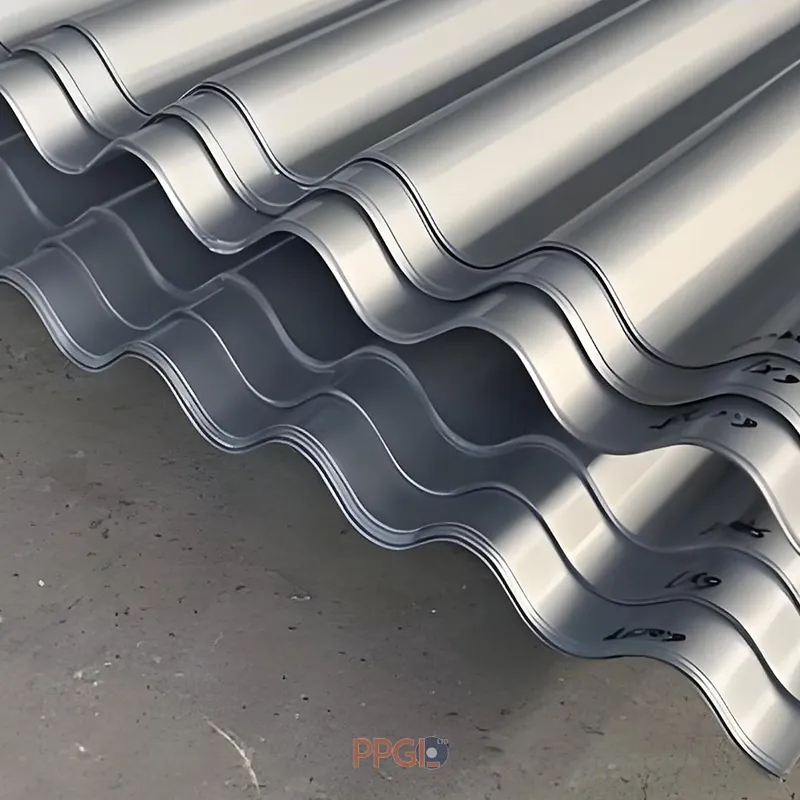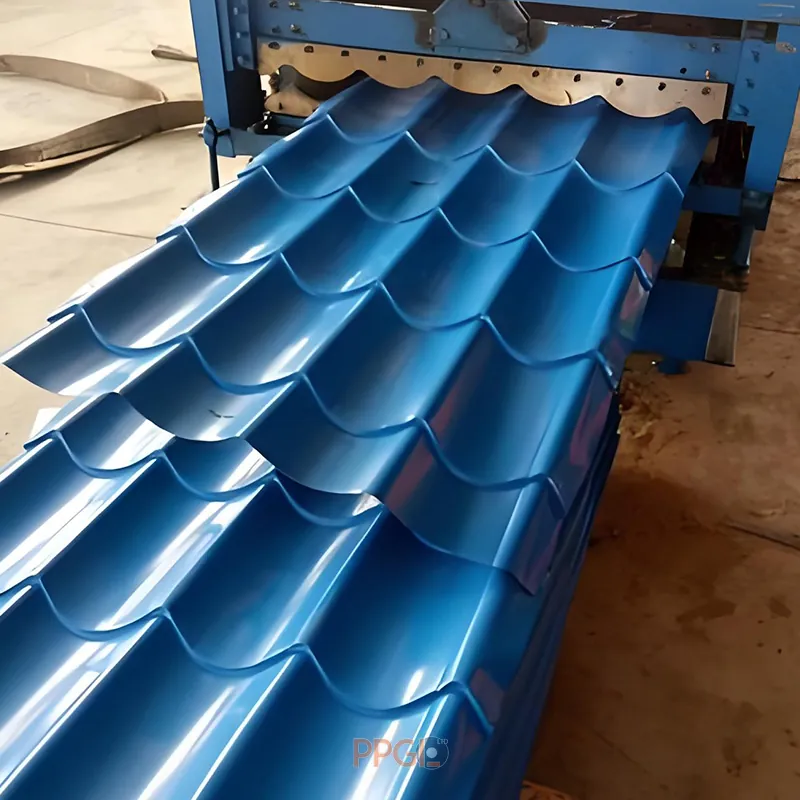
Trapezoidal Roofing Sheet
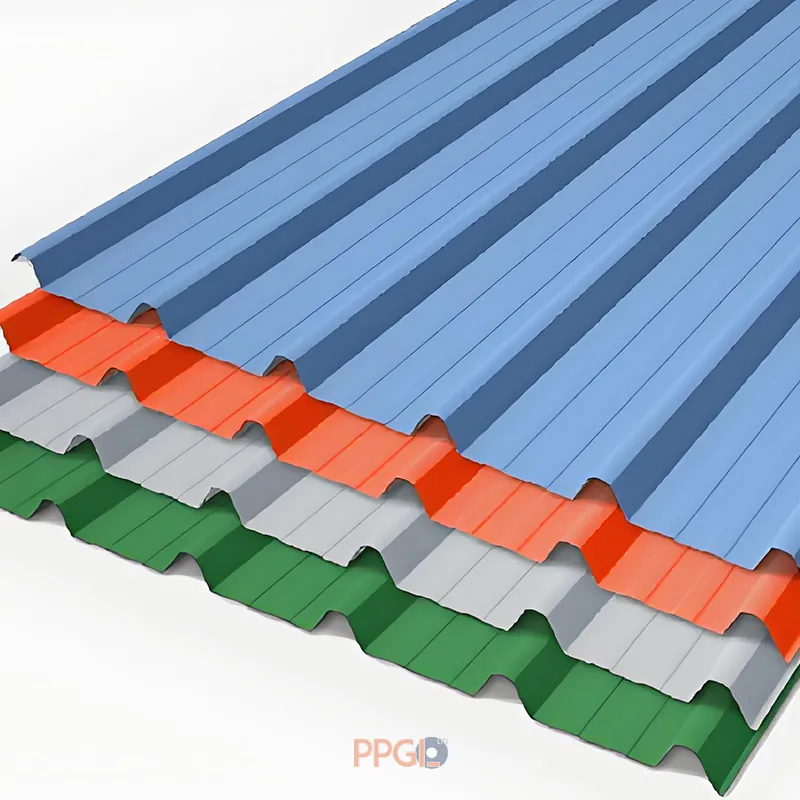
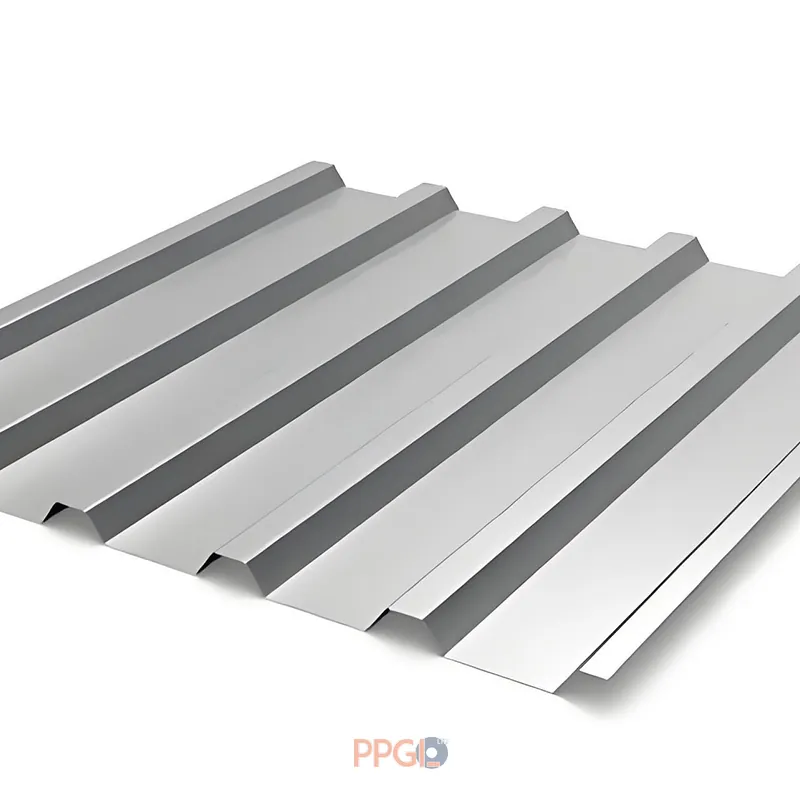
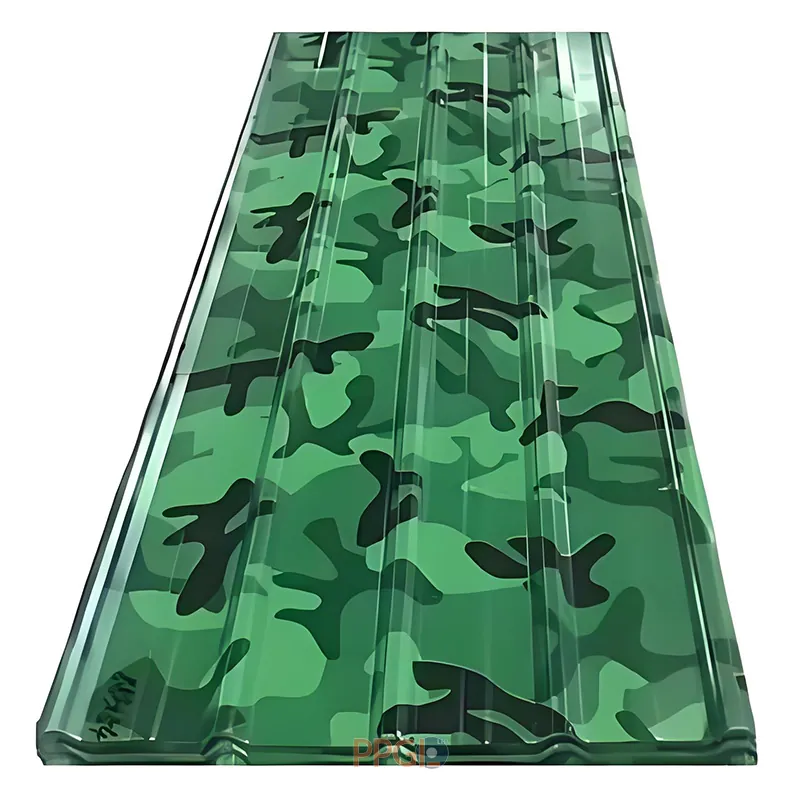
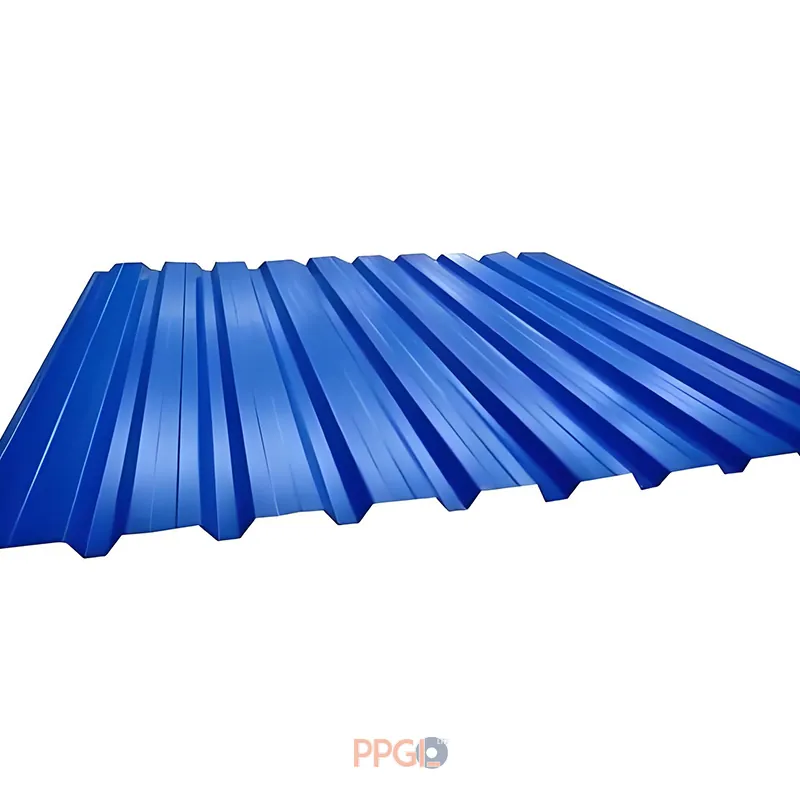
Trapezoidal Roofing Sheet
High-Strength Box Profile & IBR Roofing Sheets for Commercial & Industrial Enclosures
| Substrates | GI / GL / PPGI / PPGL / Aluminum |
| Profile Type | Trapezoidal Box Profile / IBR (Inverted Box Rib) |
| Feeding Width | 750 / 914 / 1000 / 1200 / 1220 / 1250 mm |
| Effective Width | 680 / 820 / 840 / 900 / 910 / 1025 mm |
| Thickness Range | 0.13 – 0.8 mm (Customizable) |
Available Materials
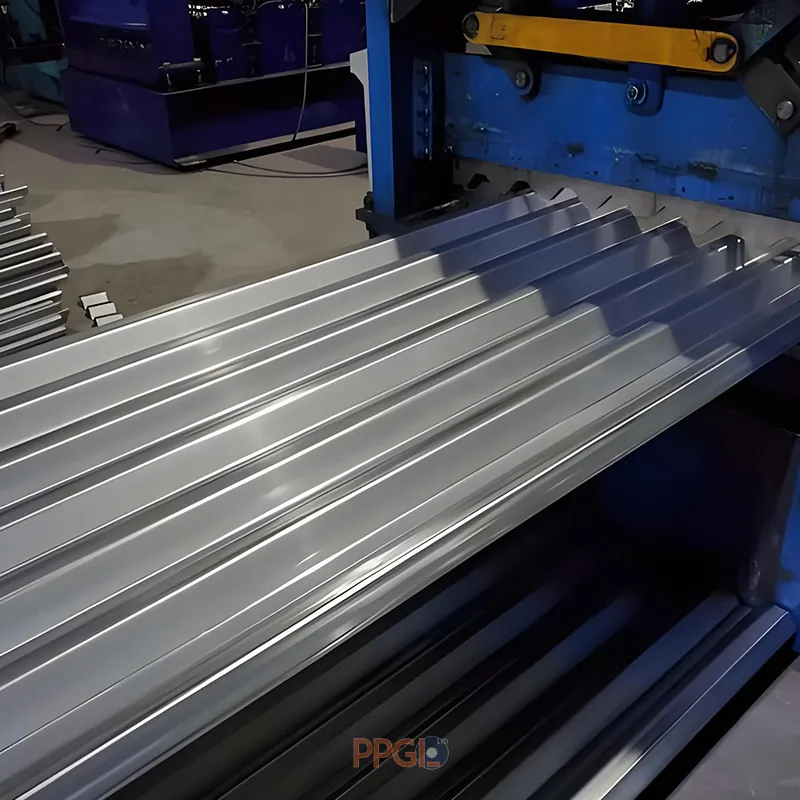
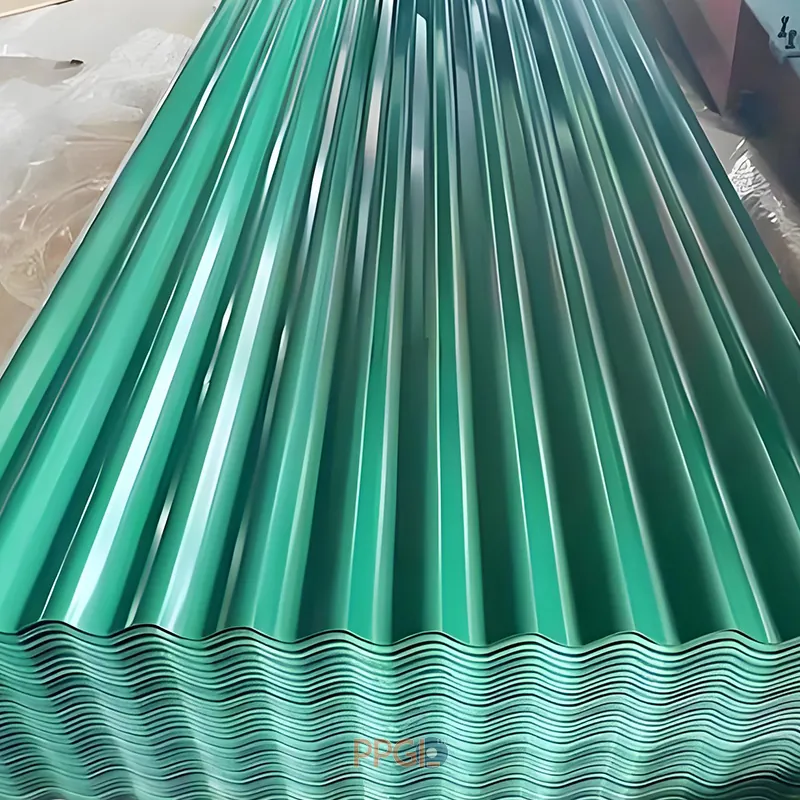
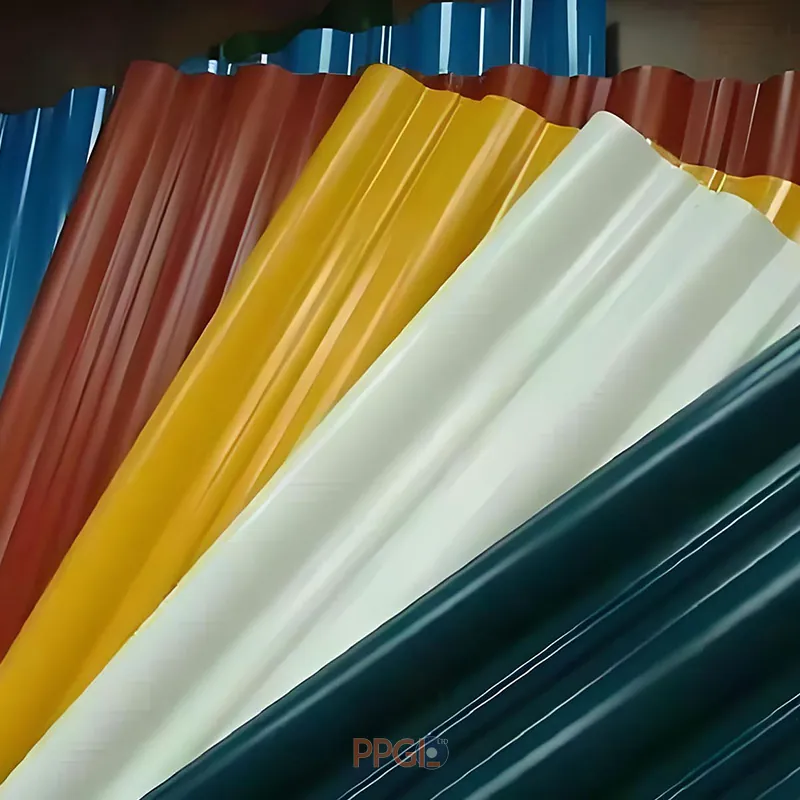
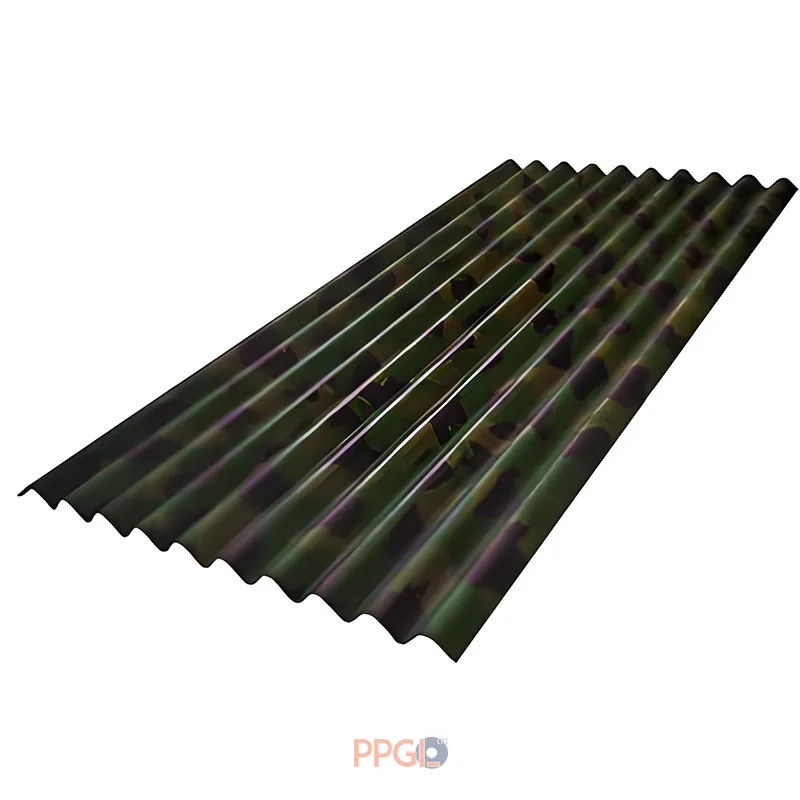
High Structural Load
Deep trapezoidal ribs increase bending rigidity for wider purlin spacing and heavy loads.
Custom Substrate Options
Available in GI, GL, PPGI, and PPGL steel to match precise lifespan and budget needs.
Superior Drainage Capacity
Wide valley channels support drainage when roof slope, laps, flashings, and installation are designed for the project rainfall conditions.
Anti-Capillary Seam
The anti-capillary groove is designed to help reduce side-lap water entry when panels are correctly lapped, fastened, and sealed.
Product Specifications
| Parameter | Details |
|---|---|
| Product Name | Trapezoidal Roofing Sheet (Box Profile / IBR Roofing Sheet) |
| Available Substrates | Galvanized Steel (GI), Galvalume Steel (GL), Pre-Painted Galvanized (PPGI), Pre-Painted Galvalume (PPGL) |
| Primary Applications | Industrial Plants, Commercial Warehouses, Logistics Centers, Agricultural Hangars & Wall Cladding |
| Standard Compliance | ASTM A653, ASTM A792, EN 10346, JIS G3302 |
| Feeding Width (Raw Coil) | 750mm, 914mm, 1000mm, 1200mm, 1220mm, 1250mm |
| Effective Cover Width | 680mm, 820mm, 840mm, 900mm, 910mm, 1025mm (Customizable) |
| Thickness Range | 0.13 – 0.8 mm |
| Rib Height & Pitch | Rib Height: 25–38 mm | Rib Pitch: 130–210 mm (Profile Dependent) |
| Mechanical Hardness | Full Hard (G550 / HRB 85–95) or Structural Steel Grade (G350 / G500) |
| Bundle Weight / Packaging | 2 – 5 Metric Tons per seaworthy bundle with steel pallets |
Quality Control & Shipping Case
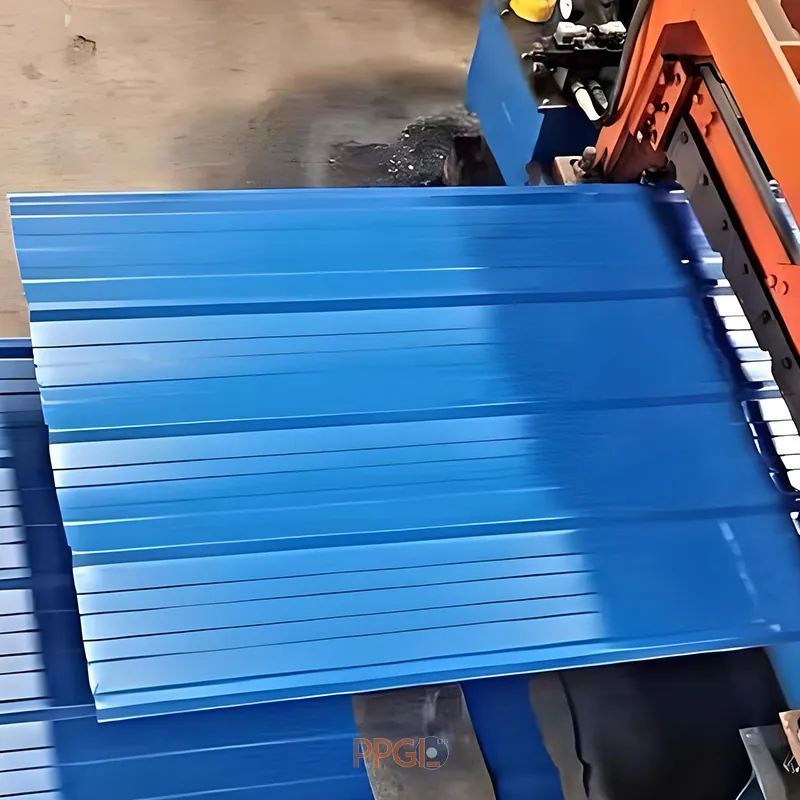
Rubber-coated forming rollers are used to help reduce surface abrasion and coating damage.
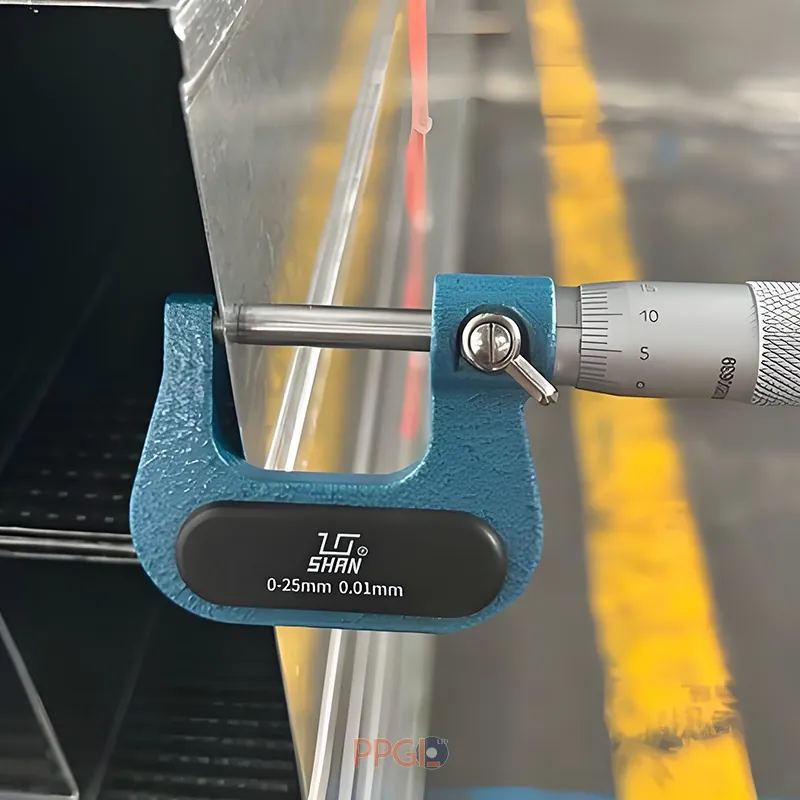
Rib height, pitch angle, and effective cover width are checked against the confirmed profile tolerances.
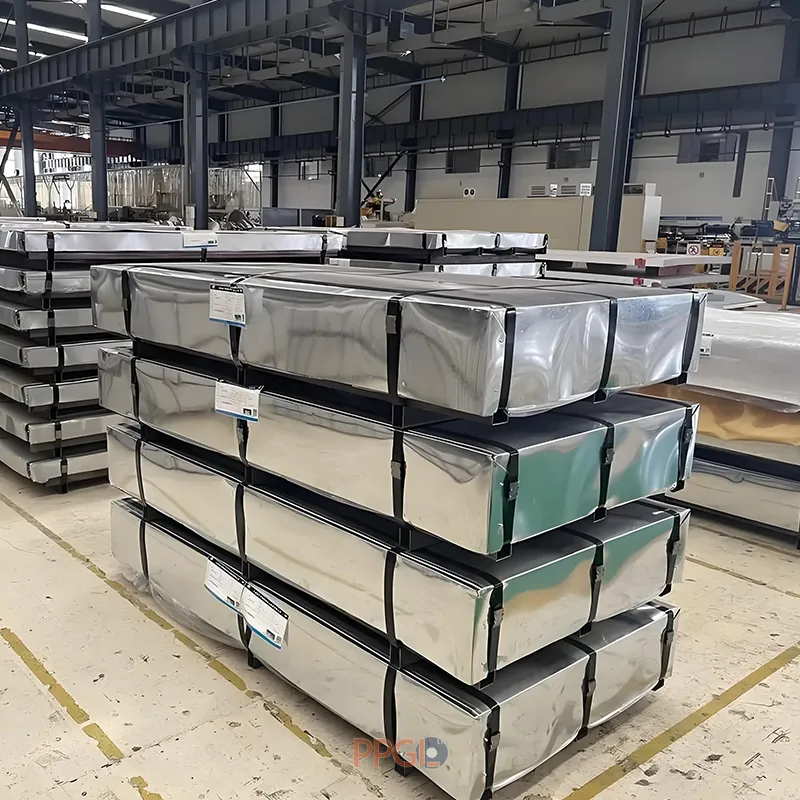
Heavy-duty waterproof kraft paper and metal edge protectors shield sheets from moisture.
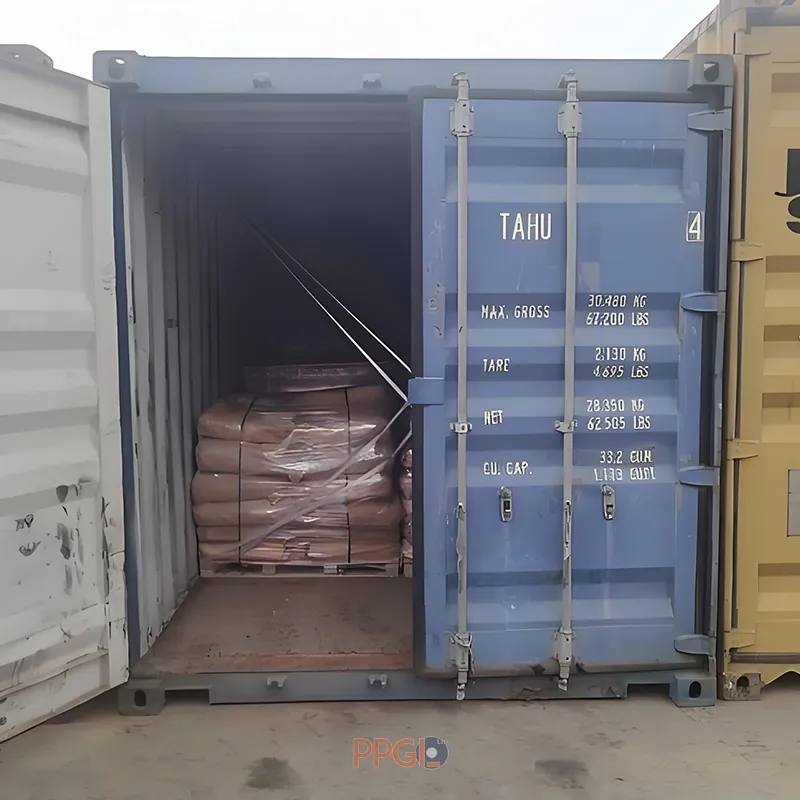
Container bracing and securing are arranged to help reduce movement and friction during transportation.
Buyer Concern & FAQ
Q1: Why are Trapezoidal Roofing Sheets commonly used for industrial and commercial projects?
Trapezoidal Roofing Sheets use angular ribs that provide profile rigidity and defined drainage channels. They are commonly used for industrial buildings, warehouses, workshops, commercial roofs, wall cladding, and other profiled metal applications. Actual structural performance depends on sheet thickness, steel grade, rib geometry, support spacing, and installation design.
Q2: What is the purpose of an anti-capillary groove on Trapezoidal Roofing Sheets?
Some trapezoidal profiles include an anti-capillary groove at the side lap to help reduce water movement through capillary action between overlapping sheets. Its effectiveness also depends on correct overlap, roof slope, fastener position, sealing, flashing, and installation conditions.
Q3: Which substrate should I choose for Trapezoidal Roofing Sheets?
Galvanized Steel (GI) is widely used for economical general roofing applications. Galvalume Steel (GL) is commonly selected where additional heat and corrosion resistance are required. PPGI and PPGL provide painted surfaces with multiple color and coating options. The suitable substrate depends on the project environment, appearance, corrosion protection requirement, coating system, and budget.
Q4: How do I choose the feeding width and effective cover width for Trapezoidal Roofing Sheets?
Feeding width and effective cover width depend on the selected trapezoidal profile, rib dimensions, side overlap, and roll-forming mold. Different molds can produce different finished cover widths from the same raw coil width. Feeding width, effective width, rib height, and profile dimensions should be confirmed before production.
Q5: What standards and quality checks are available for Trapezoidal Roofing Sheets?
Trapezoidal Roofing Sheets can be supplied according to applicable substrate and coating standards such as ASTM A653, ASTM A755, ASTM A792, EN 10346, JIS G3302, or JIS G3312, depending on the selected material and order specification. During production, thickness, surface condition, coating, rib dimensions, effective width, and other agreed specifications can be checked according to the order requirements.