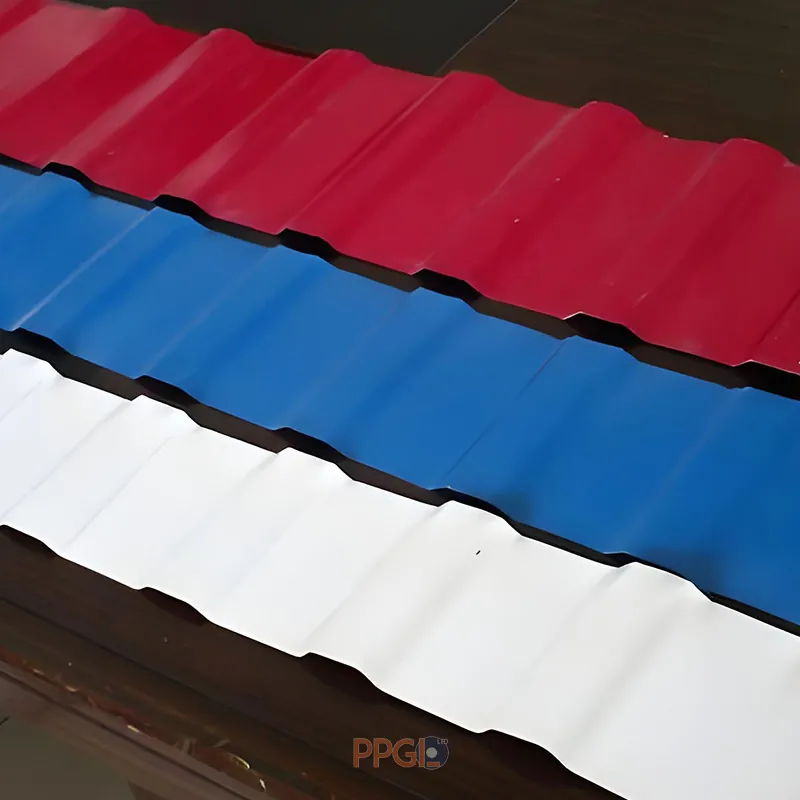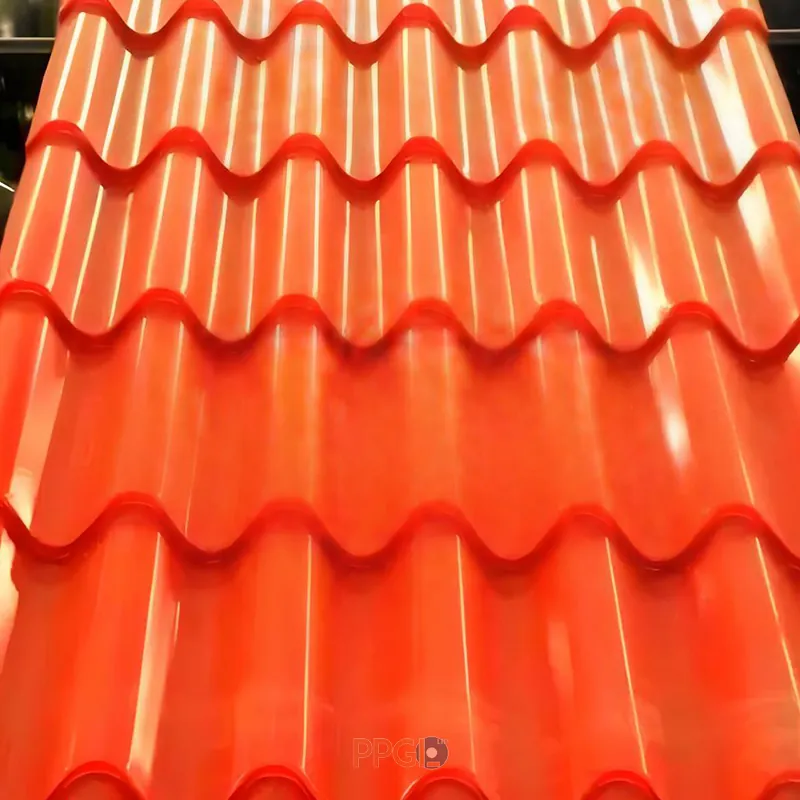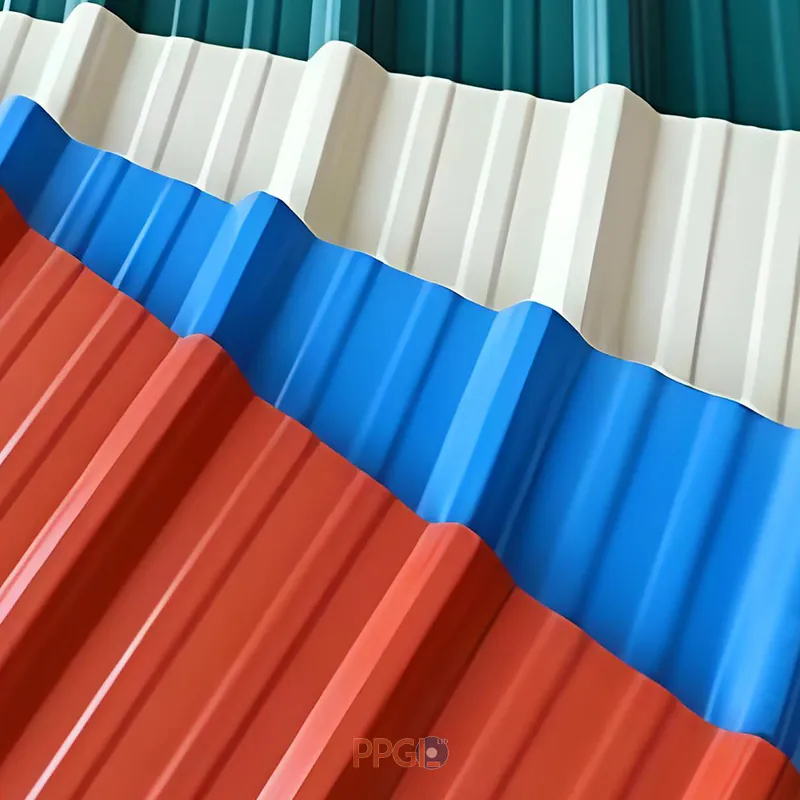
Corrugated Roofing Sheet
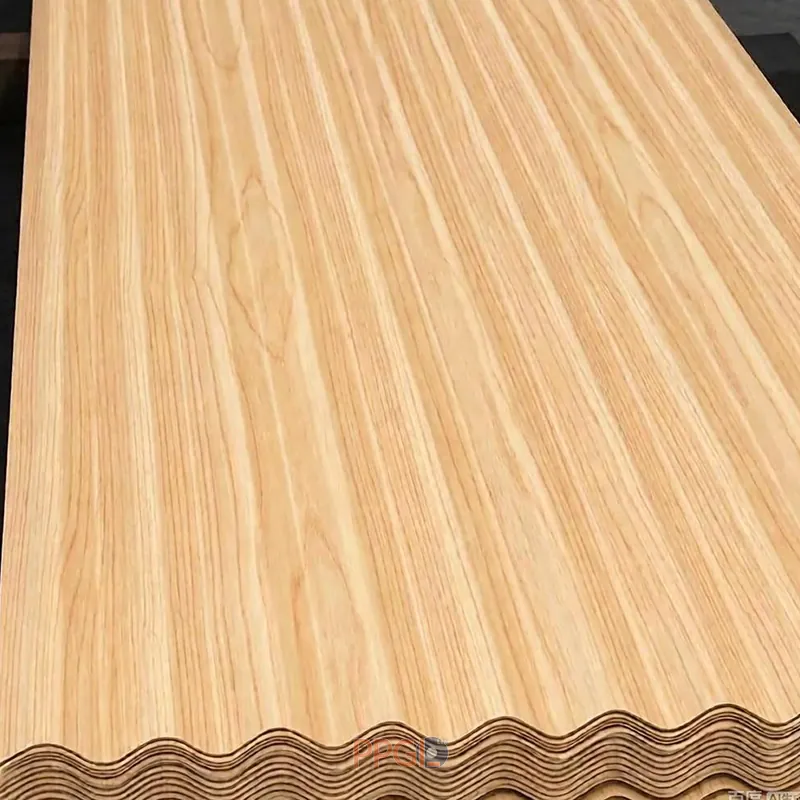
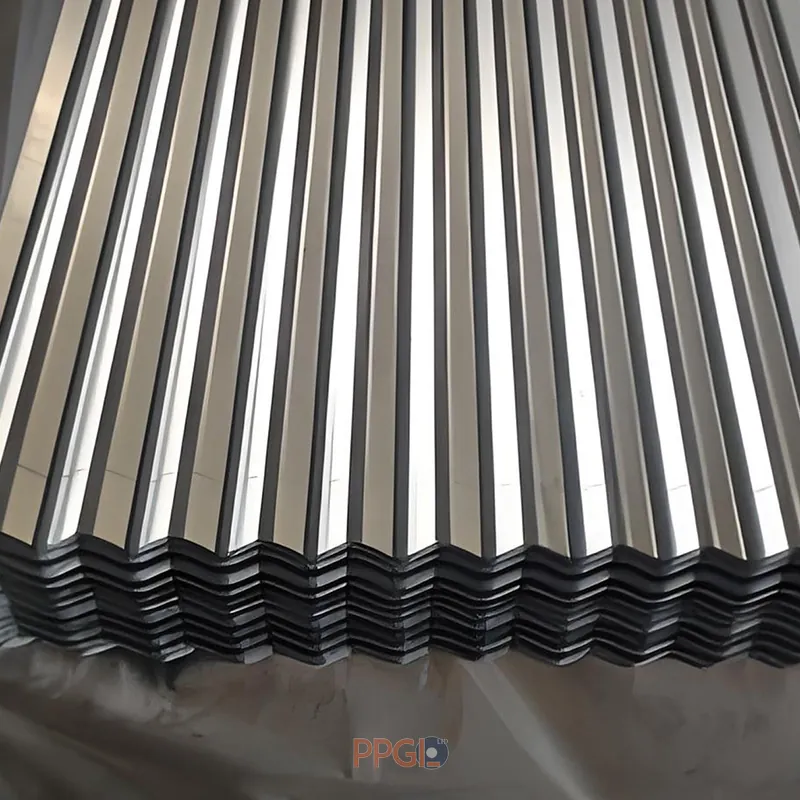
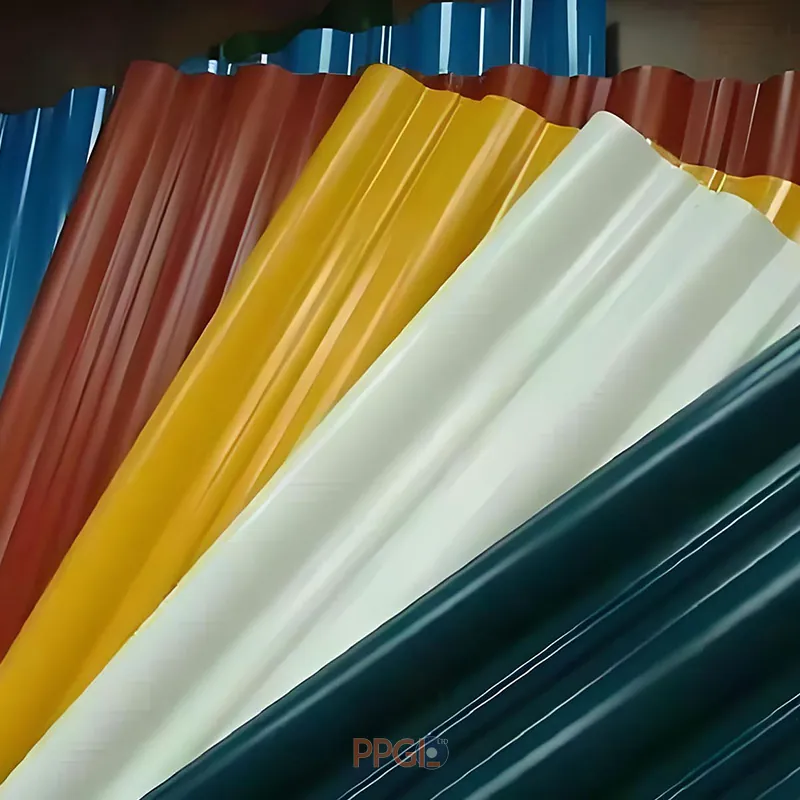
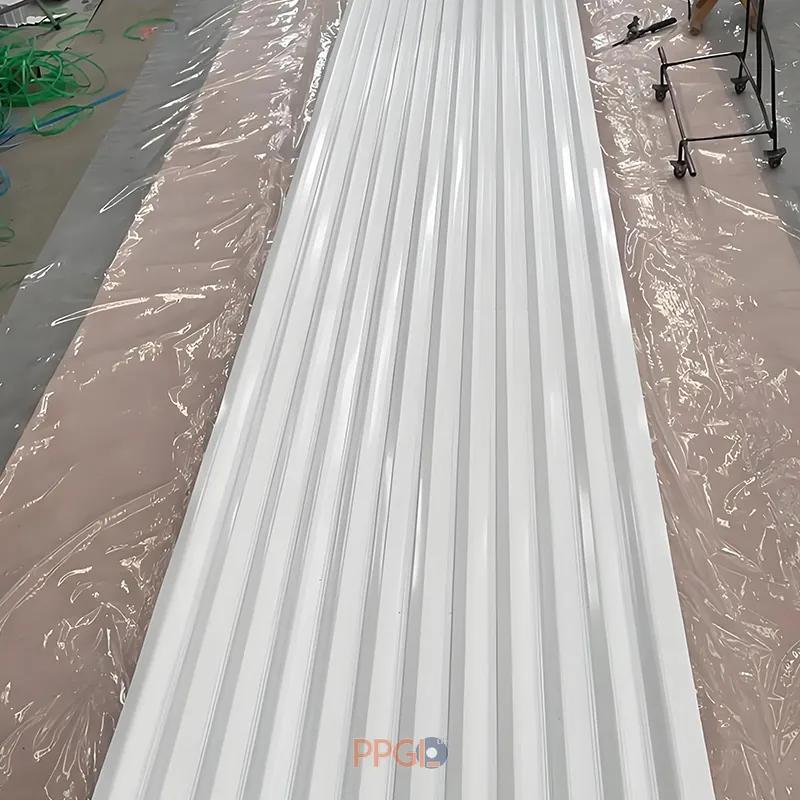
Corrugated Roofing Sheet
Classic Sinusoidal Wave Roofing Sheets for Economical & Durable Building Enclosures
| Substrates | GI / GL / PPGI / PPGL / Aluminum |
| Profile Type | Traditional Round Corrugated Wave (Sinusoidal Profile) |
| Feeding Width | 750 / 914 / 1000 / 1200 / 1220 / 1250 mm |
| Effective Width | 665 / 800 / 820 / 900 / 915 / 1050 mm |
| Thickness Range | 0.115 – 0.8 mm (Customizable) |
Available Materials
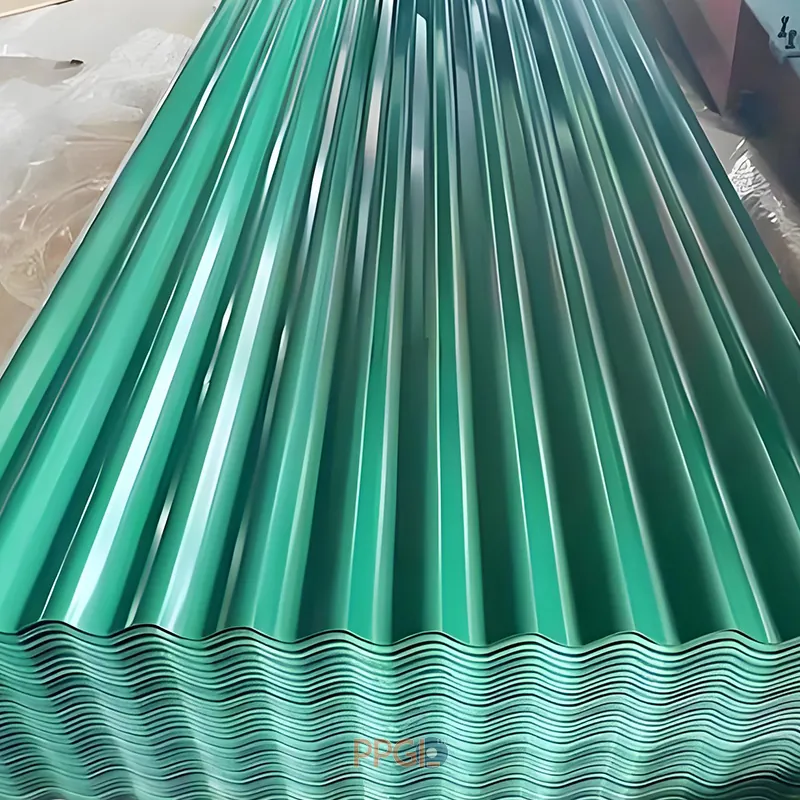
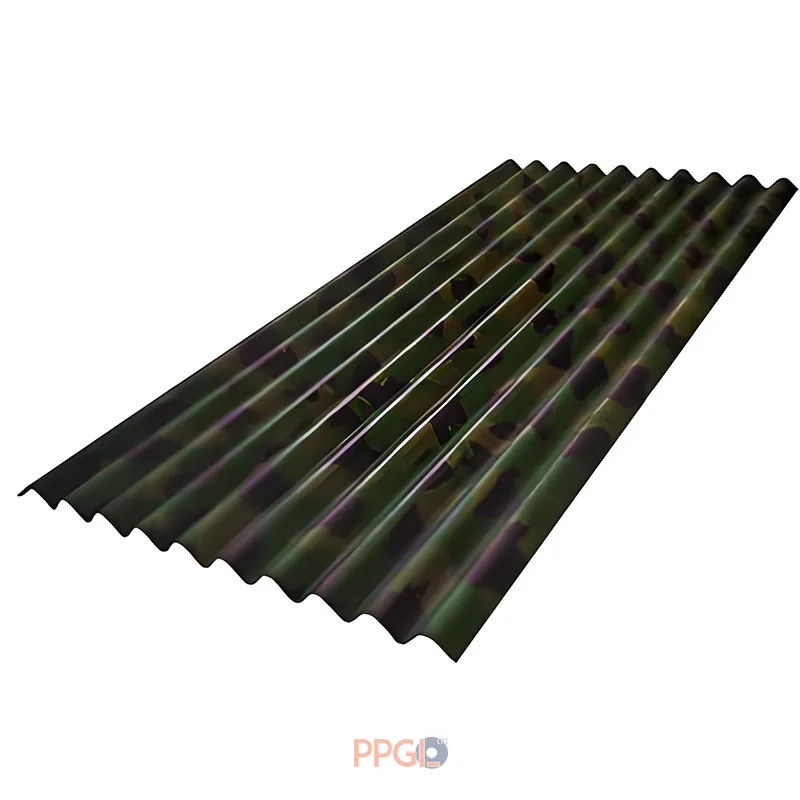
Classic Wave Profile
The sinusoidal profile is designed for consistent seam overlap; structural performance depends on material, supports, fastening, and project design.
Versatile Substrates
Available in GI, GL, PPGI, and PPGL steel to match various budget and environmental needs.
Compact Stacking
Nestable wave profile optimizes ocean container loading and reduces freight costs.
High Water Discharge
The continuous wave profile supports drainage when roof slope, laps, flashings, and installation are suitable for the project rainfall conditions.
Product Specifications
| Parameter | Details |
|---|---|
| Product Name | Corrugated Roofing Sheet (Round Wave Sinusoidal Roofing Sheet) |
| Available Substrates | Galvanized Steel (GI), Galvalume Steel (GL), Pre-Painted Galvanized (PPGI), Pre-Painted Galvalume (PPGL) |
| Primary Applications | Agricultural Sheds, Industrial Warehouses, Residential Roofs, Temporary Fencing & Wall Cladding |
| Standard Compliance | ASTM A653, ASTM A792, EN 10346, JIS G3302 |
| Feeding Width (Raw Coil) | 750mm, 914mm, 1000mm, 1200mm, 1220mm, 1250mm |
| Effective Cover Width | 665mm, 800mm, 820mm, 900mm, 915mm, 1050mm (Customizable) |
| Thickness Range | 0.115 – 0.8 mm |
| Wave Height & Pitch | Standard 18mm Wave Height / 76mm Wave Pitch (Customizable) |
| Mechanical Hardness | Full Hard (G550 / HRB 85–95) or Commercial Quality (G300 / CQ) |
| Bundle Weight / Packaging | 2 – 5 Metric Tons per seaworthy bundle with steel pallets |
Quality Control & Shipping Case
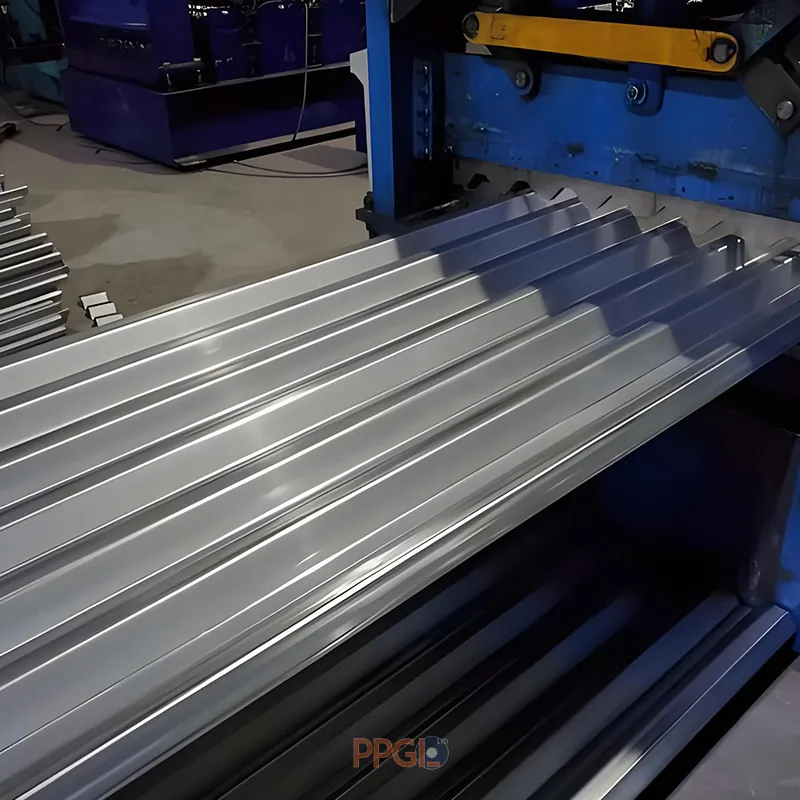
Rubber-coated forming rollers are used to help reduce surface abrasion and metallic-coating damage.
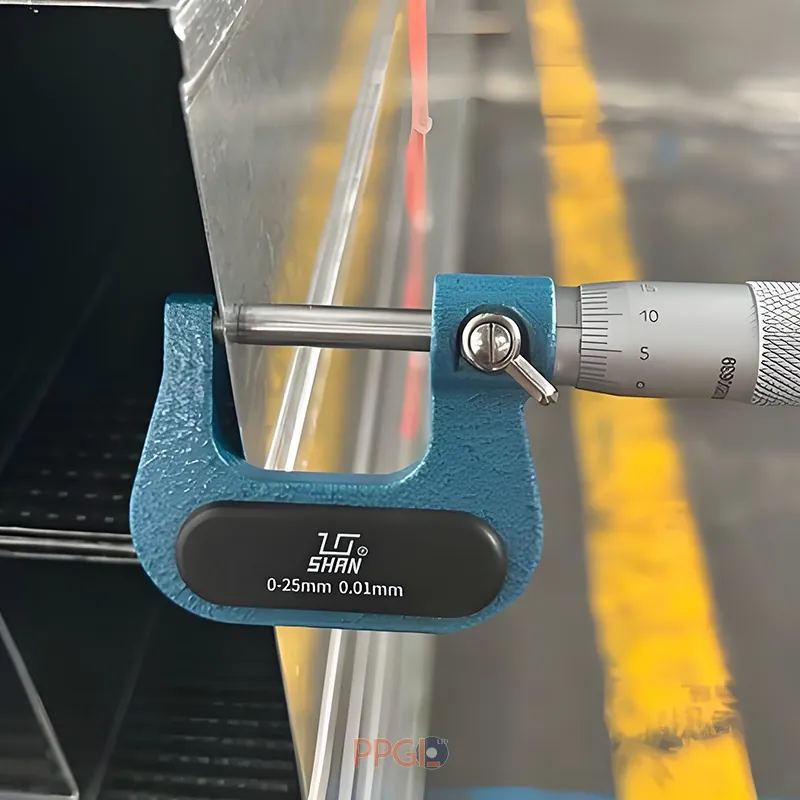
Strict dimensional checks on sheet thickness, wave height, and effective cover width.
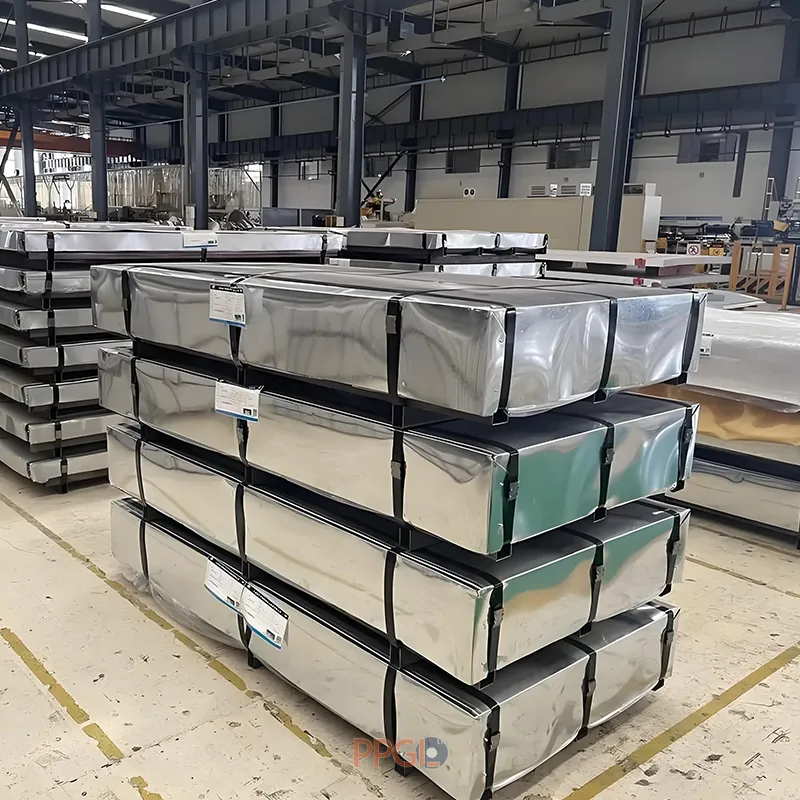
Heavy-duty waterproof kraft paper and metal edge protectors shield sheets from moisture.
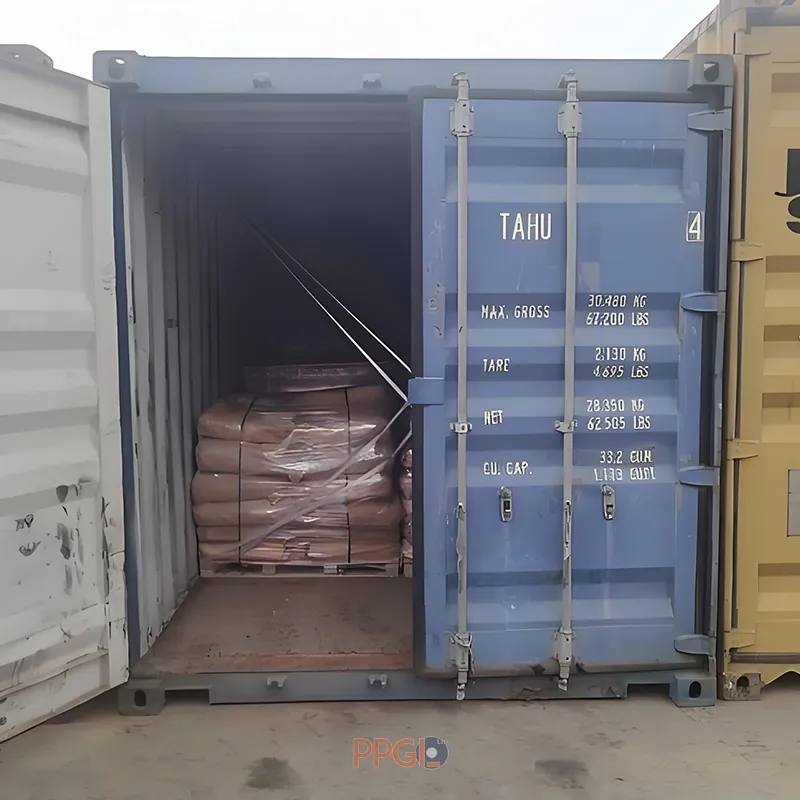
Container bracing and securing are arranged to help reduce movement and friction during transportation.
Buyer Concern & FAQ
Q1: What is the difference between corrugated and trapezoidal roofing sheets?
Corrugated Roofing Sheets use rounded sinusoidal waves and are widely used for residential, agricultural, commercial, and general roofing applications. Trapezoidal and IBR sheets use angular or deeper ribs and are commonly selected for industrial and commercial roofing. Structural performance depends on sheet thickness, steel grade, profile geometry, support spacing, and installation design.
Q2: Which substrate should I choose for Corrugated Roofing Sheets?
Galvanized Steel (GI) is widely used for economical general roofing applications. Galvalume Steel (GL) is commonly selected where additional heat and corrosion resistance are required. PPGI and PPGL provide painted surfaces with multiple color and coating options, while prepainted aluminum is available for selected lightweight and architectural applications. The suitable material depends on the project environment, appearance, corrosion protection requirement, and budget.
Q3: What thickness options are available for Corrugated Roofing Sheets?
Available thickness depends on the substrate, steel grade, coating system, roofing profile, and production requirements. GI and GL sheets can be supplied in thin-gauge specifications, while PPGI and PPGL thickness options depend on the selected prepainted substrate and coating process. The required thickness should be confirmed according to the order specification and end use.
Q4: How do I choose the feeding width and effective cover width for Corrugated Roofing Sheets?
Feeding width and effective cover width depend on the corrugated profile, wave pitch, wave depth, side overlap, and roll-forming mold. Different profiles can produce different finished cover widths from the same raw coil width. Feeding width, effective width, and profile dimensions should be confirmed before production.
Q5: What standards and quality checks are available for Corrugated Roofing Sheets?
Corrugated Roofing Sheets can be supplied according to applicable substrate standards such as ASTM A653, ASTM A792, EN 10346, JIS G3302, or JIS G3321, depending on the selected material and order specification. During production, thickness, surface condition, coating, wave dimensions, effective width, and other agreed specifications can be checked according to the order requirements.